




Can Police Search Your Car Without Your Consent in San Antonio?
Most drivers think a traffic stop is just about the ticket. Lights flash, you pull over, maybe you argue your case. But the moment an officer asks to search your vehicle, the stakes shift. Your Fourth Amendment rights are on the line, and if you don't know where the boundaries are, you're gambling with evidence that could follow you into court. In San Antonio, the rules around vehicle searches aren't suggestions — they're constitutional limits that law enforcement must respect, even when they'd rather not.
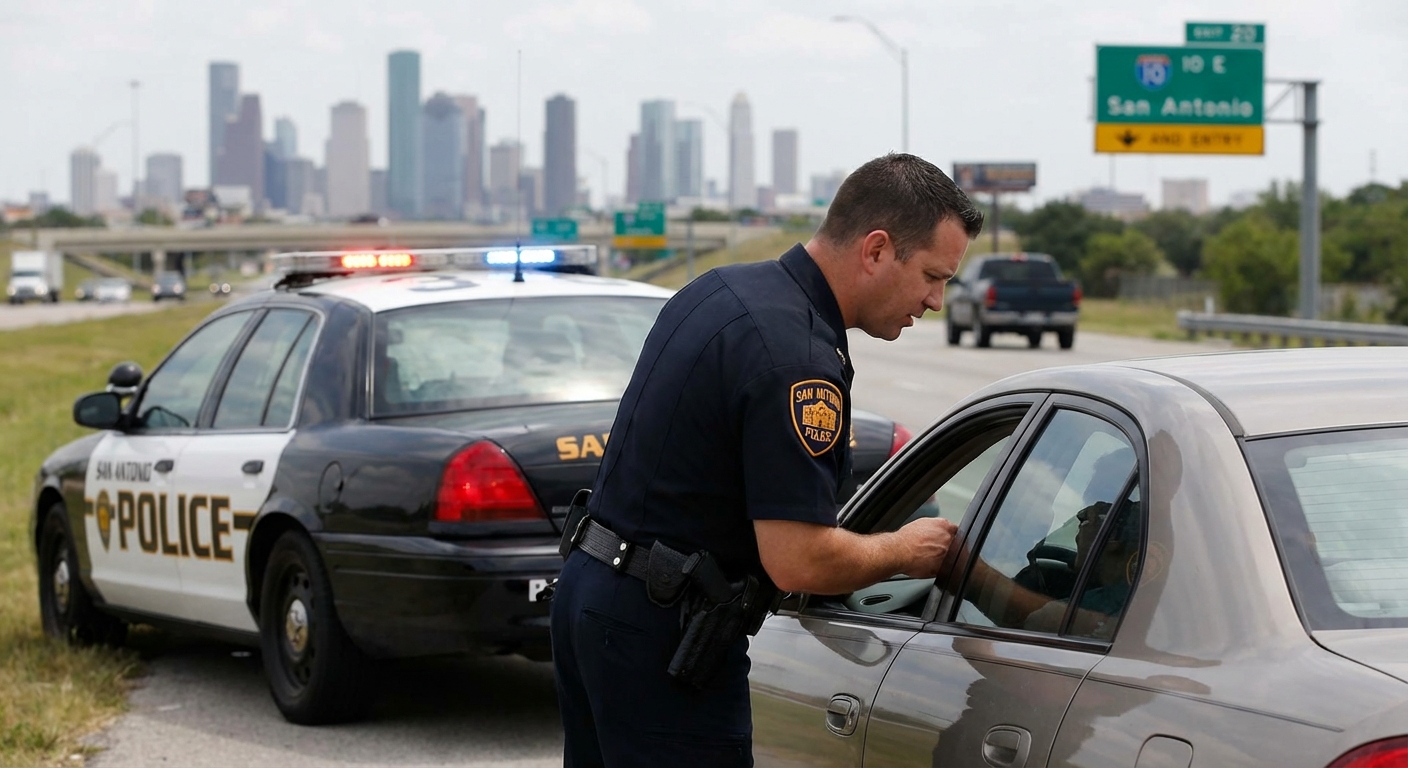
So here's what matters. Officers can't just rummage through your car because they feel like it. But they also don't need your permission if certain conditions are met. Every search hinges on whether the officer had legal justification — not just whether you said yes or no. And every driver should know the difference before they're standing on the side of I-10 trying to figure it out in real time.
The Fourth Amendment Draws the Line
Your car isn't your living room, but it's still protected. The Fourth Amendment shields you from unreasonable searches and seizures, which means law enforcement generally needs a warrant before digging through your property. But courts have carved out exceptions for vehicles, largely because they move. You can drive away. Evidence can disappear. That mobility changes the calculus, and it's why the rules for searching cars are looser than the rules for searching homes.
Still, loose doesn't mean lawless. Officers can't search on a hunch. They need a legal reason that holds up under scrutiny. And if they don't have one, anything they find might not make it past a judge.
When Officers Don't Need Your Permission
There are specific scenarios where police in San Antonio can search your vehicle without asking. These aren't loopholes — they're established legal standards that courts have upheld for decades. If any of these apply, your consent becomes irrelevant.
- Probable Cause: If an officer has a reasonable belief that your car contains evidence of a crime, contraband, or illegal materials, they can search without your approval. That belief has to be grounded in observable facts — like the smell of marijuana, visible drug paraphernalia, or suspicious behavior that suggests criminal activity.
- Search Incident to Arrest: If you're lawfully arrested, officers can search the area within your immediate control for weapons or evidence tied to the arrest. This typically covers the passenger compartment, but not the trunk unless there's reason to believe it holds relevant evidence.
- Plain View Doctrine: If an officer sees illegal items in plain sight during a lawful stop, they can seize those items and potentially expand the search based on what they observed. A baggie on the dashboard or an open container in the cupholder can trigger this.
- Inventory Search: If your vehicle is impounded, police can conduct an inventory search to catalog its contents. This isn't about finding evidence — it's about protecting your property and shielding the department from liability. But anything illegal they find during that process can still be used against you.
- Exigent Circumstances: If there's an emergency — like a suspect fleeing or evidence about to be destroyed — officers can search without a warrant. These situations are rare, but they do happen.
What You Should Do During a Stop
Stay calm. Keep your hands visible. Provide your license, registration, and proof of insurance when asked. If the officer requests permission to search your car, you have every right to refuse. Say it clearly: "I do not consent to a search." That refusal won't stop an officer who believes they have probable cause, but it protects your legal position if the search is later challenged.
Don't argue. Don't resist physically. If the officer searches anyway, let it happen and document everything you can remember. Write down the time, location, what was said, and what was searched. Then call an attorney. If the search violated your rights, that documentation becomes critical evidence.
When a Search Crosses the Line
If police search your car without consent and without meeting one of the legal exceptions, anything they find may be inadmissible in court. This is the exclusionary rule, and it exists to deter unlawful searches. But it only works if you challenge the search. That means hiring a lawyer who knows how to file a motion to suppress evidence and argue that your Fourth Amendment rights were violated.
Judges don't automatically throw out evidence just because you didn't like the search. You have to prove the officer lacked probable cause, exceeded the scope of a lawful search, or violated procedure. That's where legal representation makes the difference between a conviction and a dismissal.
Consent Is a Choice You Control
Officers will ask for permission because it's easier than justifying probable cause. And plenty of drivers say yes without thinking, either because they're nervous or because they assume refusal looks suspicious. But consenting to a search waives your Fourth Amendment protections. Once you say yes, the officer can search your entire vehicle, and you can't take it back halfway through.
If you have nothing to hide, that's great. But "nothing to hide" doesn't mean you should surrender your rights. Innocent people get caught up in bad searches all the time — a forgotten item, a passenger's belongings, or a misidentified substance can all lead to charges. Protect yourself by saying no unless you're legally required to comply.
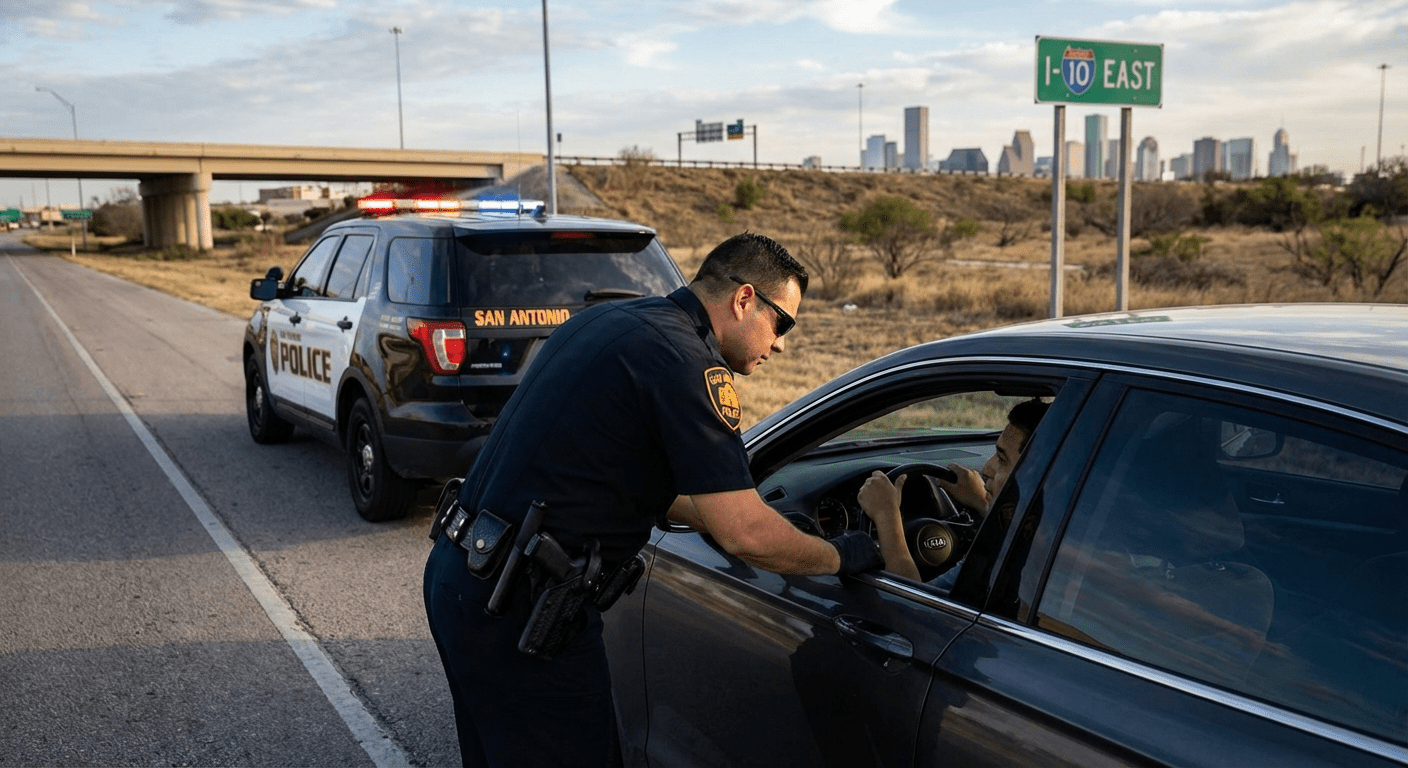
What Happens If Evidence Is Found
If officers find something illegal during a search, you'll likely face charges. But the legality of the search determines whether that evidence can be used against you. If the search was lawful, the evidence stands. If it wasn't, your attorney can file a motion to suppress, arguing that the evidence was obtained in violation of your constitutional rights.
Suppression doesn't guarantee your case gets dismissed, but it can gut the prosecution's case. Without the evidence from the search, they may not have enough to proceed. That's why challenging the search is often the first and most important step in your defense.
Common Mistakes Drivers Make
Most people don't know their rights until it's too late. Here's where drivers in San Antonio tend to slip up during traffic offenses and vehicle searches.
- Consenting Without Thinking: You don't have to say yes just because an officer asks. Refusal is your right, and it doesn't give the officer grounds to search unless they already had probable cause.
- Arguing on the Side of the Road: Disputing the legality of a search in the moment won't help. Save your arguments for court, where they actually matter.
- Failing to Document the Stop: If you don't remember what happened, your attorney can't build a defense. Write everything down as soon as you can.
- Assuming Silence Means Guilt: Refusing to answer questions or consent to a search is not evidence of wrongdoing. It's a constitutional right, and courts can't use it against you.
- Not Hiring an Attorney: If you're charged after a vehicle search, don't try to handle it alone. The rules around searches are complex, and a lawyer who knows them can make or break your case.
Why Legal Representation Matters
If you've been searched and charged, the next move is yours. A criminal defense attorney can review the stop, analyze whether the search was lawful, and challenge any evidence that shouldn't have been collected. They'll also negotiate with prosecutors, file motions, and represent you in court if the case goes to trial.
The difference between a conviction and a dismissal often comes down to whether the search holds up under legal scrutiny. Don't assume the officer followed the rules just because they wore a badge. Make them prove it. Understanding your rights during marijuana or THC possession stops is especially critical, as these searches often hinge on probable cause claims. Similarly, if you're facing charges related to drug crimes, the legality of the vehicle search becomes a central issue in your defense. For cases involving weapons charges, challenging the search can determine whether evidence is admissible. If you're dealing with probation violations stemming from a vehicle search, an attorney can assess whether the search violated your terms or your constitutional rights.
Your Rights Don't Disappear at a Traffic Stop
Getting pulled over doesn't mean you lose your constitutional protections. Officers in San Antonio have to follow the same rules as everywhere else in the country, and those rules exist to keep searches from becoming fishing expeditions. Know when you can refuse. Know when a search is lawful. And know when to call a lawyer who can hold law enforcement accountable if they overstep.
Your car might be mobile, but your rights aren't up for negotiation. Protect them every time you're behind the wheel, and don't wait until you're facing charges to figure out what went wrong.
Let’s Protect Your Rights Together
We know how stressful a traffic stop can be, especially when your rights are on the line. If you’re facing charges after a vehicle search in San Antonio, let’s work together to challenge any evidence that shouldn’t be used against you. Call us at 210-545-3850 or schedule a consultation so we can start building your defense and make sure your rights are protected every step of the way.
‹ Back
Recent Posts
-

October 14, 2026
Can a Criminal Charge in San Antonio Affect Your Immigration Status?
-

September 30, 2026
How Can Prior Convictions Affect a New Criminal Charge in San Antonio?
-

September 16, 2026
Can You Be Arrested in San Antonio for a Crime Someone Else Committed?
-

September 2, 2026
Should You Accept a Plea Deal in San Antonio?
-