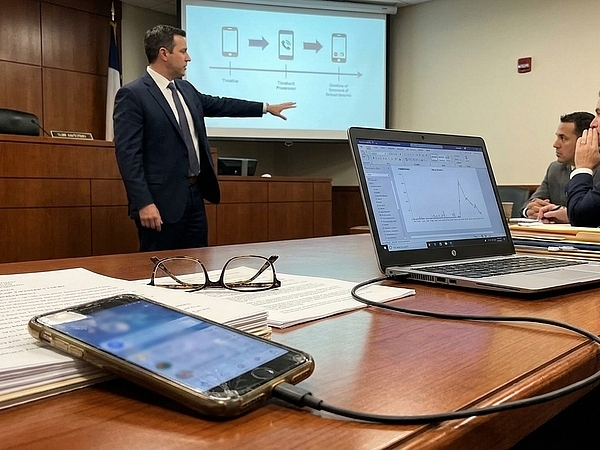




Can You Refuse a Breath Test in San Antonio Without Consequences?
Most drivers think refusing a breath test is a loophole. A way to dodge evidence. But Texas law doesn't see it that way — and if you're banking on refusal as a strategy, you're walking into a mess. The moment you got your license, you agreed to play by certain rules. One of them involves chemical testing when an officer has reason to believe you're impaired.
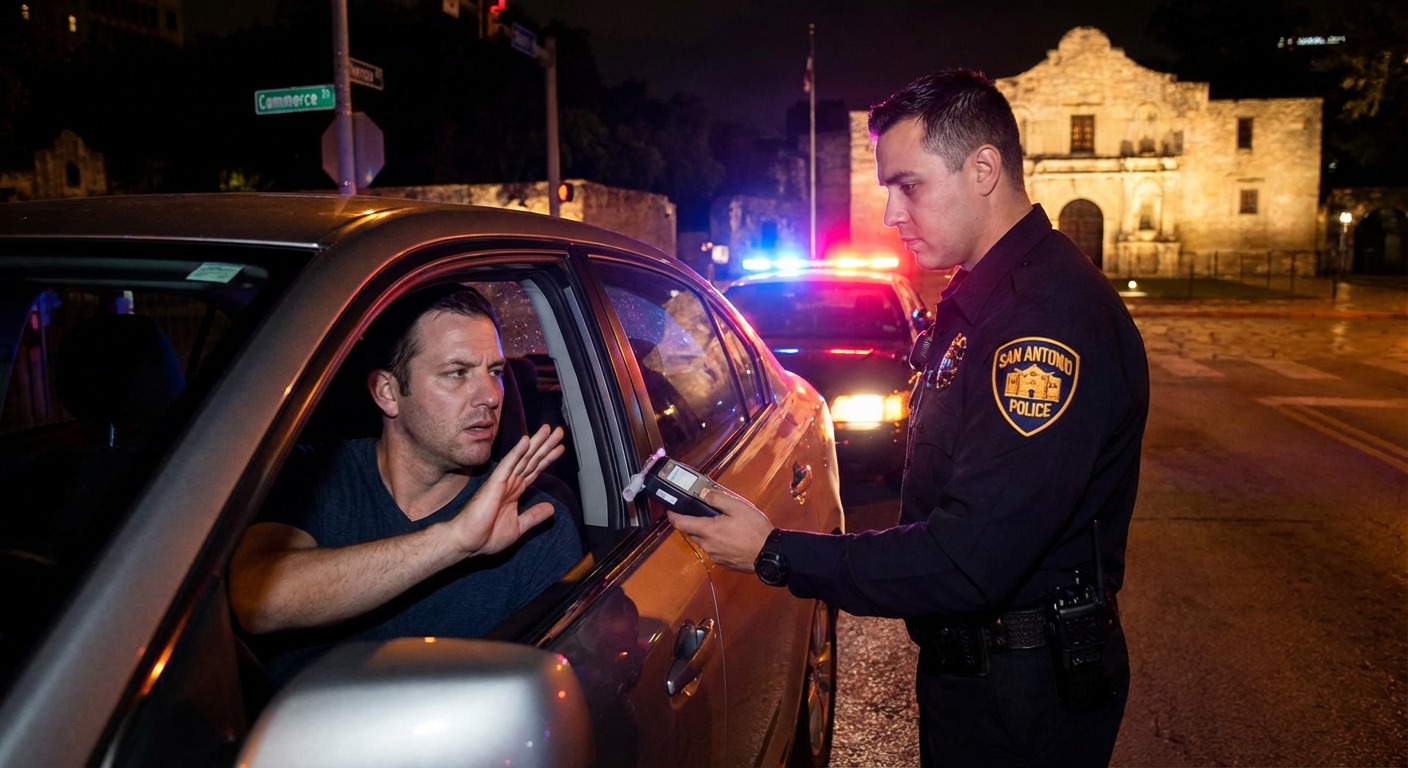
So here's what actually happens. You can say no. But that "no" comes with a price tag — one that hits your license, your record, and possibly your case. Every refusal leaves a mark. Every decision at that traffic stop should be grounded in what the law allows — not just what feels right in the moment.
Texas Built Consent Into Your License
When you signed up for driving privileges in Texas, you also signed up for implied consent. That means if law enforcement arrests you on suspicion of DWI, you've already agreed to submit to a breath, blood, or urine test. It's not optional in the eyes of the state — it's baked into the deal.
San Antonio officers operate under this framework. If they have probable cause and you're under arrest, they'll ask for a sample. You're allowed to refuse, but the state treats that refusal as a breach of the agreement you made when you got behind the wheel.
Your License Gets Pulled Immediately
Refuse the test, and your driver's license is gone. Not later. Not after a hearing. Right there on the roadside. For a first-time refusal, you're looking at a 180-day suspension. If you've refused before or have prior DWI convictions, that timeline stretches even further.
The officer will take your physical license and hand you a temporary permit. You'll also get paperwork explaining your right to request an Administrative License Revocation hearing. But here's the catch — you've got 15 days to request it. Miss that window, and the suspension sticks without a fight.
Refusal Doesn't Mean You Win the Case
Some people assume that without a BAC number, the prosecution has nothing. That's not how it works. Prosecutors can still build a DWI case using field sobriety tests, officer observations, dashcam footage, and your refusal itself. In fact, your refusal can be presented as evidence that you knew you were guilty.
And in many cases, officers don't just walk away. Texas has "no refusal" periods — typically around holidays and high-enforcement weekends — where judges are on standby to issue warrants for blood draws. Refuse the breath test during one of those windows, and you'll likely end up giving blood anyway.
The Fallout Goes Beyond Your Driving Record
License suspension is just the start. If you're convicted of DWI after refusing a test, judges often impose harsher penalties. That can mean steeper fines, longer suspensions, and more restrictive probation terms. Your refusal becomes part of the narrative — and not in your favor.
Insurance companies don't ignore refusals either. They may treat it as an admission of guilt, which can spike your premiums or lead to policy cancellation. If you hold a commercial driver's license, the stakes are even higher. A refusal can cost you your job, not just your personal driving privileges.
What You Should Know Before You Decide
Choosing whether to take the test depends on your situation. If you haven't been drinking, submitting to the test might clear you quickly. If you have been drinking, you need to understand what both options cost you — and neither is consequence-free.
Here's what to keep in mind if you're facing this decision:
- Refusal triggers an automatic license suspension, even if you're never convicted of DWI
- Your refusal can be used against you in court as evidence of guilt
- Officers may obtain a warrant for a blood draw, especially during no-refusal periods
- A conviction after refusal often results in harsher penalties than if you had submitted to testing
- Insurance companies and employers may view refusal as an admission of impairment
You Have the Right to Legal Counsel
If you're arrested for DWI in San Antonio, you don't have to navigate this alone. You have the right to speak with an attorney, and you should use it. A DWI lawyer can help you understand the consequences of refusal, challenge the suspension at your ALR hearing, and build a defense if charges are filed.
Cooperation with law enforcement doesn't mean giving up your rights. Stay calm, be respectful, and ask to speak with a lawyer as soon as possible. What you say and do at the traffic stop matters — and so does what happens after.
The Administrative Hearing Is Your First Fight
After a refusal, you'll receive notice of an ALR hearing. This is separate from any criminal case. It's an administrative proceeding focused solely on whether your license should be suspended. You have 15 days from the date of arrest to request this hearing.
At the hearing, your attorney can challenge the legality of the stop, the arrest, and whether the officer properly informed you of the consequences of refusal. Winning this hearing can restore your driving privileges — even if criminal charges are still pending.
What Happens During No-Refusal Periods
San Antonio law enforcement participates in no-refusal initiatives during high-risk times like New Year's Eve, Fourth of July, and major sporting events. During these periods, judges are available around the clock to issue search warrants for blood draws.
If you refuse a breath test during a no-refusal period, expect the officer to call a judge and obtain a warrant within minutes. You'll be taken to a facility where a medical professional will draw your blood. The refusal still counts against your license, and now there's a BAC result on record anyway.
Commercial Drivers Face Steeper Consequences
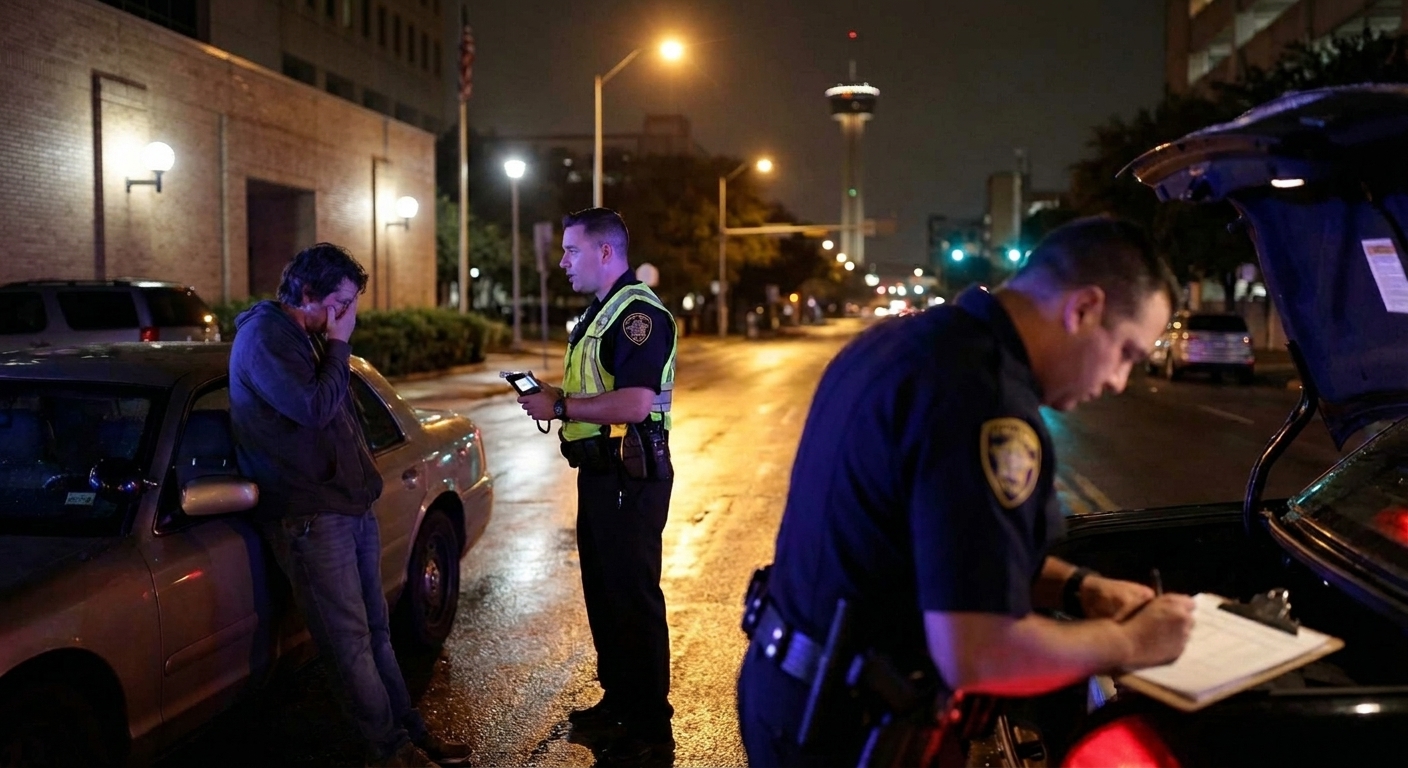
If you drive for a living, a breath test refusal can end your career. Commercial drivers are held to stricter standards, and a refusal — even in your personal vehicle — can result in a one-year disqualification of your CDL for a first offense. A second refusal can mean a lifetime ban.
Here's what CDL holders need to know:
- Refusal in a commercial vehicle triggers an immediate CDL disqualification
- Refusal in a personal vehicle still impacts your commercial driving privileges
- Employers are notified of refusals and suspensions through state reporting systems
- Even if criminal charges are dropped, the administrative penalties remain
- Reinstatement often requires additional testing, fees, and proof of insurance
Insurance Rates Spike After a Refusal
Your auto insurance company will find out about your refusal. Most insurers treat a refusal the same way they treat a DWI conviction — as a high-risk behavior that justifies higher premiums. Some carriers will drop you entirely, forcing you into high-risk insurance pools where rates can triple or more.
Even if you're never convicted of DWI, the refusal alone can haunt your insurance record for years. Insurers don't care about the outcome of your case. They care about the risk you represent, and refusal signals risk.
When to Call a DWI Attorney
If you've refused a breath test or been arrested for DWI in San Antonio, don't wait to get legal help. The clock is ticking on your ALR hearing request, and the decisions you make in the first few days can shape the outcome of your case.
A DWI attorney can help you:
- Request and prepare for your ALR hearing to fight the license suspension
- Challenge the legality of the traffic stop and arrest
- Negotiate with prosecutors to reduce or dismiss charges
- Present evidence that undermines the state's case
- Protect your driving privileges and minimize long-term consequences
Refusal Isn't a Shield
Saying no to a breath test might feel like taking control. But in Texas, refusal is a gamble — and the house usually wins. You lose your license on the spot. You hand prosecutors another piece of evidence. And in many cases, you still end up giving a blood sample under a warrant.
The smarter play is understanding your rights before you're ever in that situation. If you're facing a DWI charge or dealing with the fallout from a refusal, get a lawyer who knows how San Antonio handles these cases. The consequences are real, but so are your options — if you act fast.
Let’s Protect Your Future Together
Facing a DWI charge or dealing with the aftermath of a breath test refusal can feel overwhelming, but you don’t have to go through it alone. We’re here to help you understand your rights, fight for your license, and work toward the best possible outcome. If you’re ready to take the next step, call us at 210-545-3850 or schedule a consultation and let’s start building your defense today.
‹ Back
Recent Posts
-
October 14, 2026
Can a Criminal Charge in San Antonio Affect Your Immigration Status?
-
September 30, 2026
How Can Prior Convictions Affect a New Criminal Charge in San Antonio?
-
September 16, 2026
Can You Be Arrested in San Antonio for a Crime Someone Else Committed?
-
September 2, 2026
Should You Accept a Plea Deal in San Antonio?
-