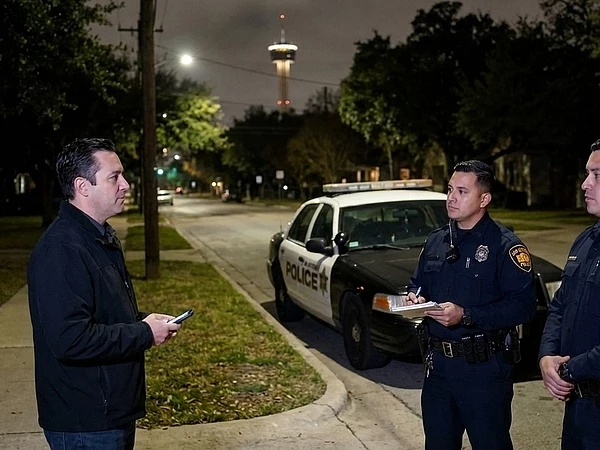




When Does a Felony Charge Become a Federal Case in San Antonio?
Most people charged with a felony assume they'll face state prosecutors in a Texas courtroom. That's usually how it goes. But sometimes the feds step in—and when they do, everything changes. The rules shift. The penalties get steeper. And the resources lined up against you multiply fast. In San Antonio, certain circumstances trigger federal jurisdiction, and understanding those triggers can mean the difference between navigating a manageable defense and facing years in a federal facility with no parole option.
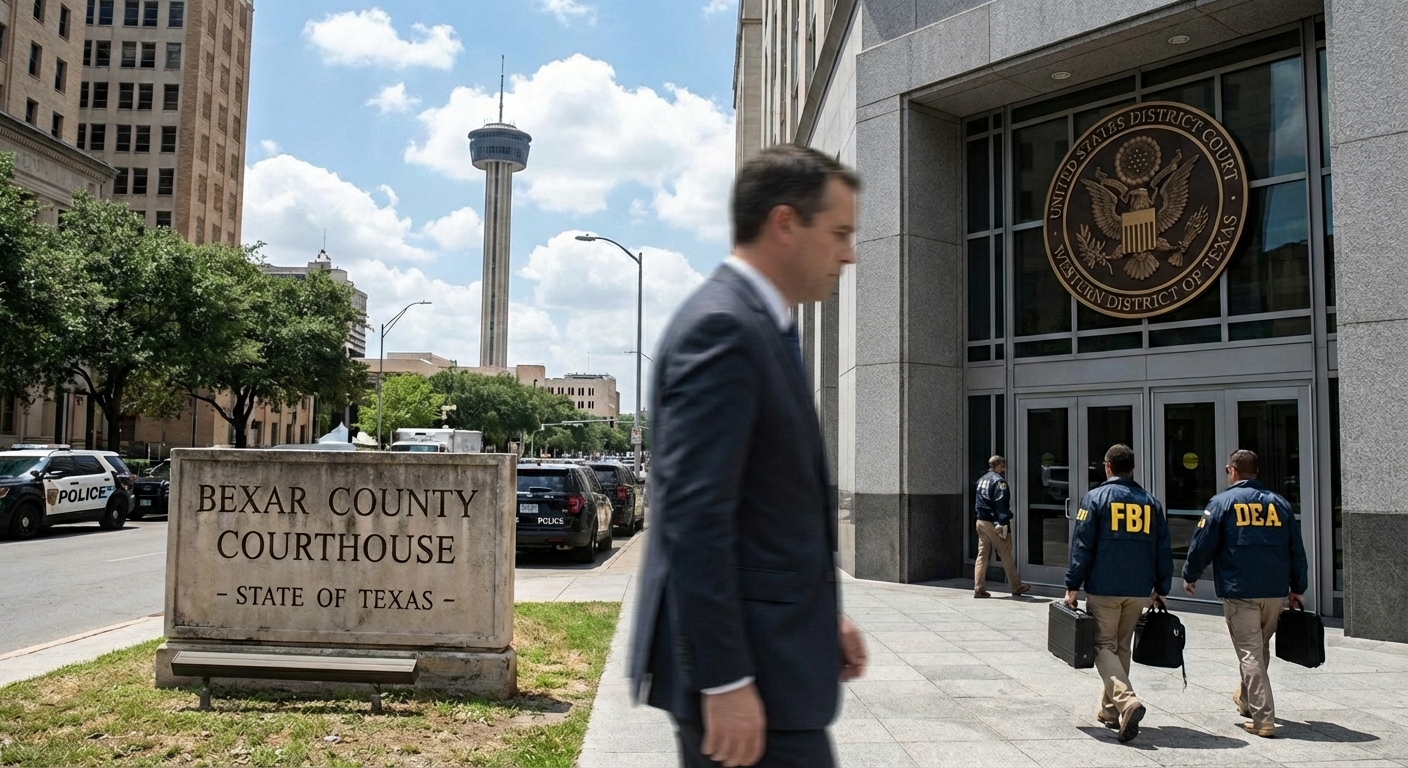
Federal cases don't just happen by accident. They follow patterns. Crimes that cross borders, involve federal agencies, or violate specific statutes written into U.S. Code—those are the ones that land on a federal prosecutor's desk. And once that happens, you're no longer dealing with local district attorneys. You're up against the U.S. Attorney's Office, backed by investigative agencies with national reach and budgets most state offices can't touch.
How State and Federal Prosecutions Differ
Texas handles most criminal matters through county and district courts. Prosecutors work under state law, judges apply Texas statutes, and sentences follow guidelines set by the state legislature. Federal cases operate in a completely different system. They're prosecuted in U.S. District Court under federal statutes, with sentencing determined by federal guidelines that tend to be harsher and less flexible than what you'd see at the state level.
The gap between the two systems isn't just procedural—it's practical. Federal convictions carry longer mandatory minimums, fewer opportunities for early release, and a much higher percentage of actual time served. There's no parole in the federal system. If you're sentenced to ten years, you're doing at least eight and a half. That math alone changes how defendants and their attorneys approach every stage of the case.
Triggers That Push a Felony Into Federal Territory
Not every serious crime gets picked up by federal authorities. But certain factors make it almost inevitable. If your alleged conduct violates a federal statute, crosses state lines, or involves federal property or personnel, you're likely looking at federal charges. San Antonio sits close to the border and serves as a major hub for interstate commerce, which means federal jurisdiction comes into play more often here than in many other Texas cities.
Here's what typically moves a case from state to federal court:
- The alleged crime violates a law written into the U.S. Code, not just Texas statutes
- Criminal activity crossed state or national borders, such as transporting contraband or committing fraud across multiple jurisdictions
- The offense occurred on federal land, including military installations, national parks, or government buildings
- Federal agencies like the FBI, DEA, ATF, or Homeland Security led or participated in the investigation
- The case involves large-scale operations, organized crime, or conspiracies that span multiple states or countries
- Federal prosecutors decide the case aligns with national enforcement priorities, even if state charges were possible
Common Federal Felonies Prosecuted in San Antonio
San Antonio's location and demographics make it a hotspot for certain types of federal cases. Drug trafficking cases dominate the docket, especially when substances move across the border or between states. Immigration violations also make up a significant portion of federal prosecutions here, particularly illegal reentry after deportation. Firearms offenses involving prohibited persons or interstate sales frequently end up in federal court as well.
Beyond those, white-collar crimes like wire fraud, identity theft, and money laundering are prosecuted federally when they involve interstate commerce or federal financial institutions. Human trafficking and smuggling cases almost always land in federal jurisdiction due to their cross-border nature. Cybercrimes that affect victims in multiple states or countries also fall under federal authority. The common thread? Scale, complexity, or federal interest.
What Changes When the Feds Take Over
Once your case moves to federal court, you're playing by different rules. The U.S. District Court for the Western District of Texas handles federal prosecutions in San Antonio, and the procedures there differ significantly from state court. Federal prosecutors have more time, more investigators, and more tools at their disposal. They build cases methodically, often over months or years, and they rarely bring charges unless they're confident in a conviction.
Sentencing is where the real difference shows up. Federal guidelines are rigid, and judges have limited discretion to deviate from them. Mandatory minimums apply to many offenses, especially drug and firearms charges. There's no parole, so defendants serve at least 85% of their sentence. Fines can reach into the hundreds of thousands or even millions, depending on the offense. And a federal conviction carries collateral consequences that follow you long after release—employment restrictions, loss of certain rights, and a permanent mark on your record that's harder to overcome than a state conviction.
Crimes That Almost Always Go Federal
Certain offenses are prosecuted federally by default. If you're charged with any of the following in San Antonio, expect federal jurisdiction:
- Drug trafficking involving quantities that cross federal thresholds or interstate movement
- Illegal reentry after deportation, especially with prior felony convictions
- Possession of a firearm by a convicted felon or other prohibited person
- Wire fraud, mail fraud, or schemes involving interstate commerce
- Human trafficking or smuggling across state or national borders
- Cybercrimes targeting victims in multiple states or involving federal systems
Why Federal Prosecutors Choose Certain Cases
Federal authorities don't prosecute every crime they could. They prioritize cases that align with national enforcement goals or involve significant harm. Large-scale drug conspiracies, organized crime networks, and cases with multiple defendants or victims across jurisdictions are more likely to attract federal attention. So are cases involving public corruption, terrorism, or threats to national security.
Sometimes the decision comes down to resources. If a case requires extensive surveillance, wiretaps, or coordination across multiple agencies, federal prosecutors are better equipped to handle it. Other times, it's about sending a message. High-profile cases or those involving repeat offenders may be prosecuted federally to ensure maximum penalties and deter similar conduct.
Steps to Take If You're Facing Federal Charges
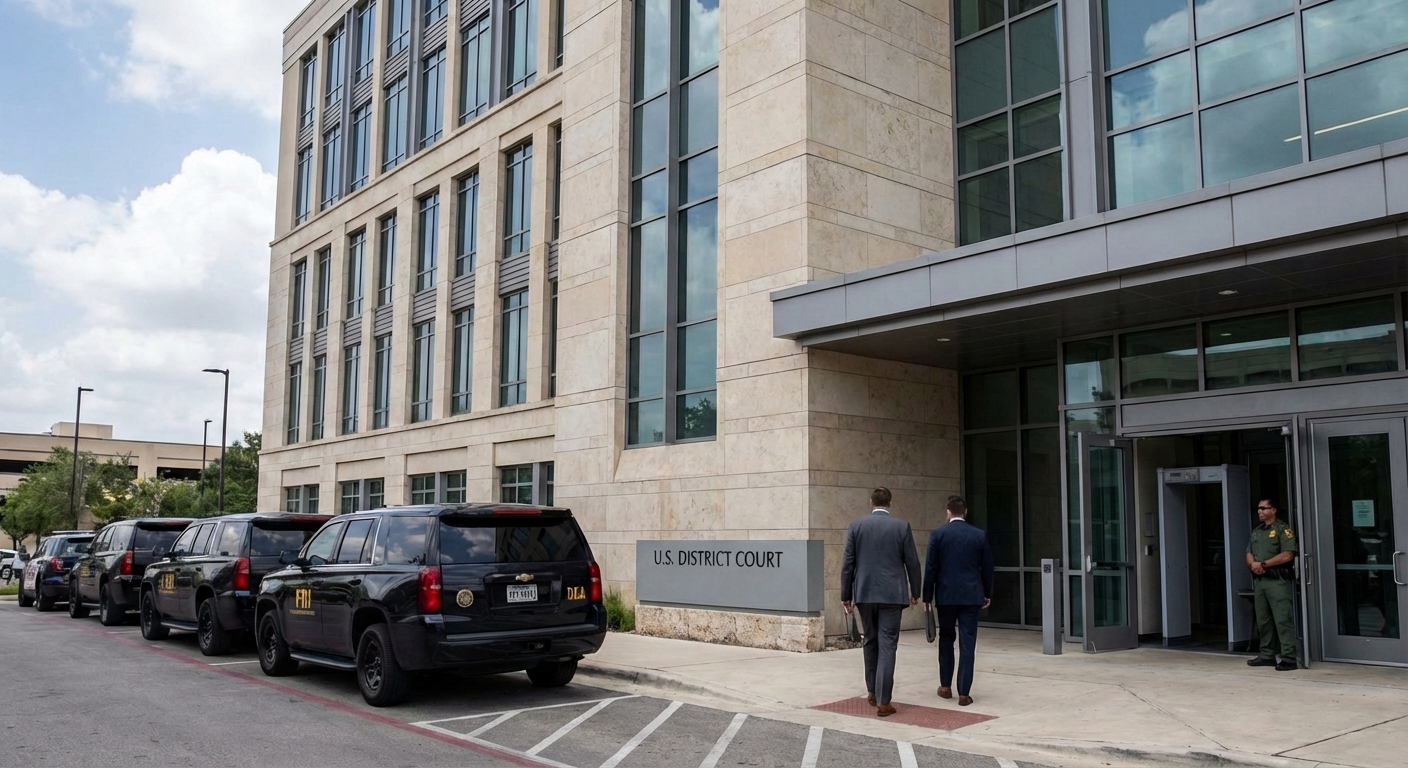
If federal agents have contacted you, executed a search warrant, or if you've been indicted in federal court, your next move matters more than anything that came before. Federal cases require specialized legal representation. Attorneys who practice primarily in state court may not have the experience or familiarity with federal procedure, sentencing guidelines, and the unique strategies needed to defend against federal prosecutors.
Here's what you need to do immediately:
- Hire an attorney with proven experience in federal criminal defense, not just general criminal law
- Avoid making any statements to federal agents without your lawyer present—anything you say will be used against you
- Preserve all documents, communications, and records related to the investigation
- Understand the charges, potential penalties, and sentencing guidelines that apply to your case
- Prepare for a long process—federal cases move more slowly than state cases and require patience and strategic planning
Why Federal Defense Requires a Different Approach
Federal cases aren't just state cases with higher stakes. They're built differently, prosecuted differently, and defended differently. Federal prosecutors work with grand juries, use cooperating witnesses, and rely heavily on wiretaps and electronic surveillance. They have access to forensic accountants, digital forensics experts, and multi-agency task forces. Defending against that level of resources requires an attorney who knows how to challenge federal evidence, negotiate with federal prosecutors, and navigate the complexities of federal sentencing.
Federal defense also involves understanding when to fight and when to negotiate. Many federal cases are resolved through plea agreements, but those agreements must be carefully structured to minimize sentencing exposure and protect your rights. An experienced criminal defense attorney knows how to leverage cooperation, challenge enhancements, and argue for downward departures from sentencing guidelines.
The Reality of Federal Sentencing
Federal sentencing isn't a guessing game. It's calculated using a point system based on the offense, your criminal history, and various enhancements or reductions. The resulting guideline range determines the recommended sentence, and judges typically stay within that range unless there are compelling reasons to depart. Mandatory minimums can override the guidelines entirely, locking in a floor below which the judge cannot go.
Understanding how sentencing works is critical to making informed decisions throughout your case. Your attorney should be able to calculate your potential exposure, identify opportunities to reduce it, and advise you on whether a trial or a plea agreement is in your best interest. Federal sentencing is unforgiving, but it's also predictable—and that predictability can be used to your advantage with the right strategy.
Don't Wait to Build Your Defense
Federal cases don't resolve quickly, and the earlier you start building your defense, the better your chances of a favorable outcome. Waiting until after indictment limits your options. If you're under investigation, your attorney may be able to intervene before charges are filed, negotiate with prosecutors, or present evidence that prevents an indictment altogether. Once charges are filed, the focus shifts to challenging the evidence, negotiating a resolution, or preparing for trial.
Federal charges in San Antonio aren't something you handle on your own or with an attorney who isn't prepared for the federal system. The stakes are too high, the penalties too severe, and the process too complex. Get the right representation early, understand what you're facing, and build a defense that gives you the best chance of protecting your freedom and your future.
Let’s Take the Next Step Together
Facing federal charges in San Antonio is overwhelming, but you don’t have to navigate it alone. We’re ready to put our experience to work for you, guiding you through every stage and fighting for your best possible outcome. If you need answers or want to discuss your case, call us at 210-545-3850 or schedule a consultation and let’s start building your defense today.
‹ Back
Recent Posts
-
September 16, 2026
Can You Be Arrested in San Antonio for a Crime Someone Else Committed?
-

September 2, 2026
Should You Accept a Plea Deal in San Antonio?
-
-
August 5, 2026
Can a DWI in San Antonio Affect Your Professional License?
-