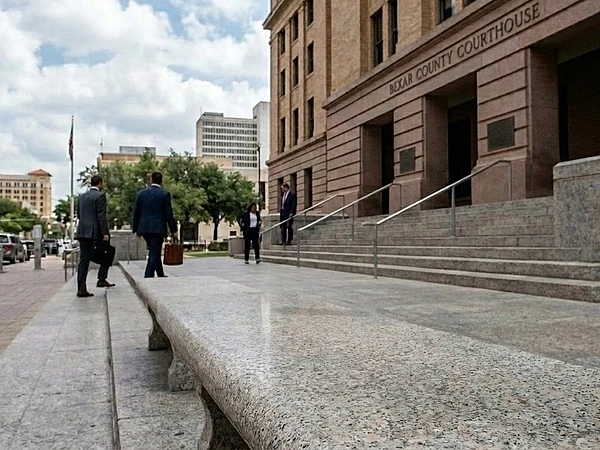




Can a First-Time DWI Charge Be Reduced in San Antonio?
Most people think a DWI arrest means game over. Conviction, penalties, permanent record. But San Antonio courts see hundreds of these cases every month, and not all of them end the same way. The outcome depends on what happened during your stop, what the evidence actually shows, and whether your attorney knows how to challenge it. A first-time charge doesn't guarantee leniency, but it does open doors that repeat offenders don't get.

So here's what matters. If you're sitting on a fresh DWI charge, you're not stuck with whatever the prosecutor offers first. Reductions happen. Dismissals happen. But only when the defense does the work to expose weak evidence, procedural mistakes, or gaps in the state's case. Every detail from the traffic stop to the breathalyzer matters, and every misstep by law enforcement creates leverage.
When the State's Case Has Cracks
Most DWI arrests look solid on paper. Officer pulls you over, runs field sobriety tests, administers a breath test, and books you. But that doesn't mean the case is airtight. We've seen charges fall apart because the stop wasn't justified, the breathalyzer wasn't calibrated, or the officer didn't follow protocol. If any part of that chain breaks, the prosecution loses ground.
That's where reduction becomes possible. Prosecutors know when their evidence is shaky. They'd rather negotiate a lesser charge than risk losing at trial. And for first-time offenders with no aggravating factors, they're often willing to deal. But you won't get that offer unless someone pushes for it.
What a Reduction Actually Looks Like
In Bexar County, the most common reduction is obstruction of a highway. It's still a Class B misdemeanor, but it doesn't carry the DWI label. That means no automatic license suspension, no SR-22 insurance requirement, and a much cleaner long-term record. It's not a free pass, but it's a hell of a lot better than a DWI conviction.
Reckless driving is another option, though less common. It's a step down in severity and doesn't trigger the same collateral damage. In some cases, deferred adjudication is on the table—complete probation successfully, and the conviction doesn't stick. But that's not technically a reduction, and it comes with strict conditions.
The Numbers That Shape Your Case
Your blood alcohol concentration matters more than you think. If you blew a 0.08 or 0.09, you're barely over the line. That's different from a 0.15, which signals serious impairment. Prosecutors treat those cases differently, and judges do too.
Here's what else moves the needle:
- No accident or injury involved
- No child passenger in the vehicle
- Clean criminal history with no prior arrests
- Cooperative behavior during the stop
- Willingness to enroll in alcohol education or treatment
Where Most Defendants Lose Ground
Waiting too long to hire an attorney is the first mistake. By the time some people call, key deadlines have passed and evidence has been lost. The second mistake is assuming the prosecutor's initial offer is the best you'll get. It's not. That's the starting point, not the finish line.
Another common error is failing to request an Administrative License Revocation (ALR) hearing within 15 days of arrest. Miss that window, and your license gets suspended automatically—even if your criminal case gets reduced or dismissed. That hearing is separate from your criminal case, and it's critical.
What the Defense Actually Does
A good DWI attorney doesn't just show up and ask for mercy. They dissect the arrest. Was the stop legal? Did the officer have reasonable suspicion? Were the field sobriety tests administered correctly? Was the breathalyzer machine certified and calibrated? Did the officer read your rights?
Every one of those questions creates an opportunity to challenge the state's case. And when the defense files motions to suppress evidence or highlights procedural failures, prosecutors start reconsidering their position. That's when reduction talks begin.
Deferred Adjudication and Probation Options
Deferred adjudication isn't available for every DWI case in Texas, but when it is, it's worth pursuing. You plead guilty or no contest, complete probation, and if you stay clean, the case gets dismissed. No conviction on your record. But violate probation, and the judge can convict you on the original charge.
Probation terms usually include:
- Alcohol education or treatment programs
- Community service hours
- Regular check-ins with a probation officer
- Ignition interlock device installation
- Random drug and alcohol testing
The Role of Aggravating Factors
If your case involves a high BAC, an accident, injuries, or a minor in the car, reduction becomes harder. Prosecutors are less willing to negotiate when aggravating factors are present. Judges are less sympathetic. And the penalties jump significantly.
But even in those cases, a strong defense can make a difference. Maybe the BAC test was flawed. Maybe the accident wasn't your fault. Maybe the officer's report doesn't match the dashcam footage. Every case has angles, and every angle matters.
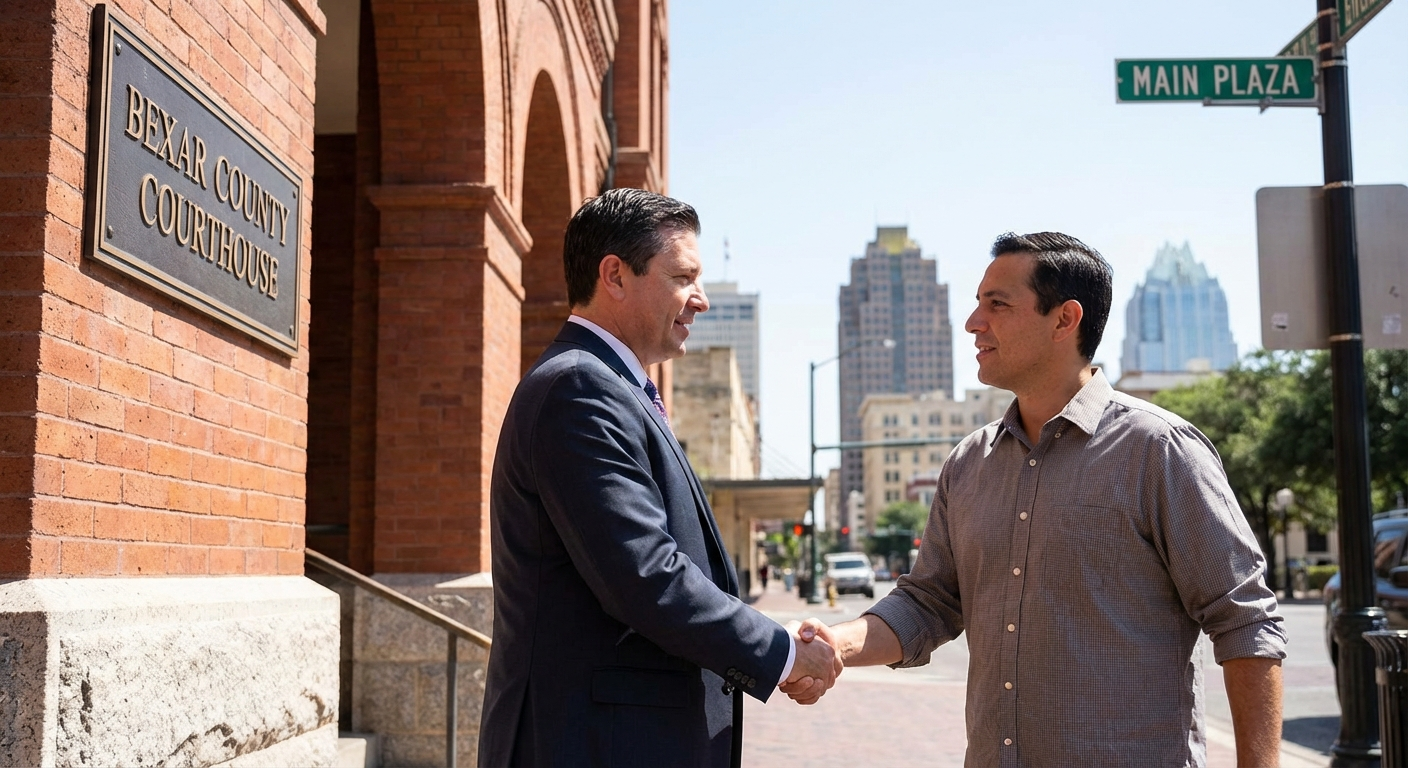 Why First-Time Offenders Get More Options
Texas courts recognize that people make mistakes. A first-time DWI doesn't define you the way a third or fourth one does. Prosecutors and judges are more willing to offer alternatives when you don't have a pattern of behavior. But that goodwill only goes so far. You still need to show you're taking it seriously.
Enrolling in alcohol education before your court date signals responsibility. Getting a substance abuse evaluation shows you're addressing the issue. These steps don't guarantee a reduction, but they improve your odds. Understanding Texas DWI laws can also help you navigate the process more effectively.
What Happens If You Go to Trial
Not every case should be reduced. Sometimes the evidence is so weak that going to trial makes sense. If the stop was illegal, the breathalyzer was faulty, or the officer's testimony doesn't hold up, an acquittal is possible. But trials are risky. Lose, and you face the full penalties with no room for negotiation.
That's why most DWI cases resolve through plea deals. The defense and prosecution weigh the risks, and both sides compromise. You avoid the uncertainty of trial, and the state avoids the cost and time of litigating a weak case. An experienced criminal defense attorney can help you evaluate whether a plea deal or trial is the better option.
Building a Defense That Holds Up
Your attorney needs more than your version of events. They need documentation. Dashcam footage, bodycam video, breathalyzer maintenance records, officer training files—all of it matters. If the state can't produce those records, or if they reveal inconsistencies, the case weakens.
Witness statements help too. If someone was with you and can testify about your condition, that's useful. If the officer's report contradicts the video evidence, that's leverage. The more your attorney can poke holes in the state's narrative, the better your chances of a reduction. For cases involving drug-related DWI, additional testing and evidence may come into play.
Moving Forward Without the Weight
A DWI charge doesn't have to define your future. Reductions happen every day in San Antonio courts, especially for first-time offenders who take the process seriously and hire attorneys who know how to fight. The key is acting fast, challenging the evidence, and negotiating from a position of strength. The state's case isn't as solid as it looks, and the right defense can prove it. If you're facing charges related to traffic offenses or need guidance on probation violations, experienced legal representation can make all the difference. Don't wait to schedule a consultation and explore your options.
Let’s Take the Next Step Together
Facing a first-time DWI charge can feel overwhelming, but you don’t have to navigate it alone. We know the ins and outs of San Antonio’s courts and what it takes to secure the best possible outcome. Let’s talk about your case, answer your questions, and start building a defense that works for you. Call us at 210-545-3850 or schedule a consultation so we can move forward together.
‹ Back
Recent Posts
-
September 2, 2026
Should You Accept a Plea Deal in San Antonio?
-
-
August 5, 2026
Can a DWI in San Antonio Affect Your Professional License?
-
-