




What Should You Do If Police Contact You About an Investigation in San Antonio?
Most people think a call from the police is just a conversation. A quick chat to clear things up. But law enforcement sees it differently — and if you don't, you're walking into a minefield. Every word you say gets recorded. Every answer you give can be twisted. And every decision you make in those first few minutes can shape what happens next.
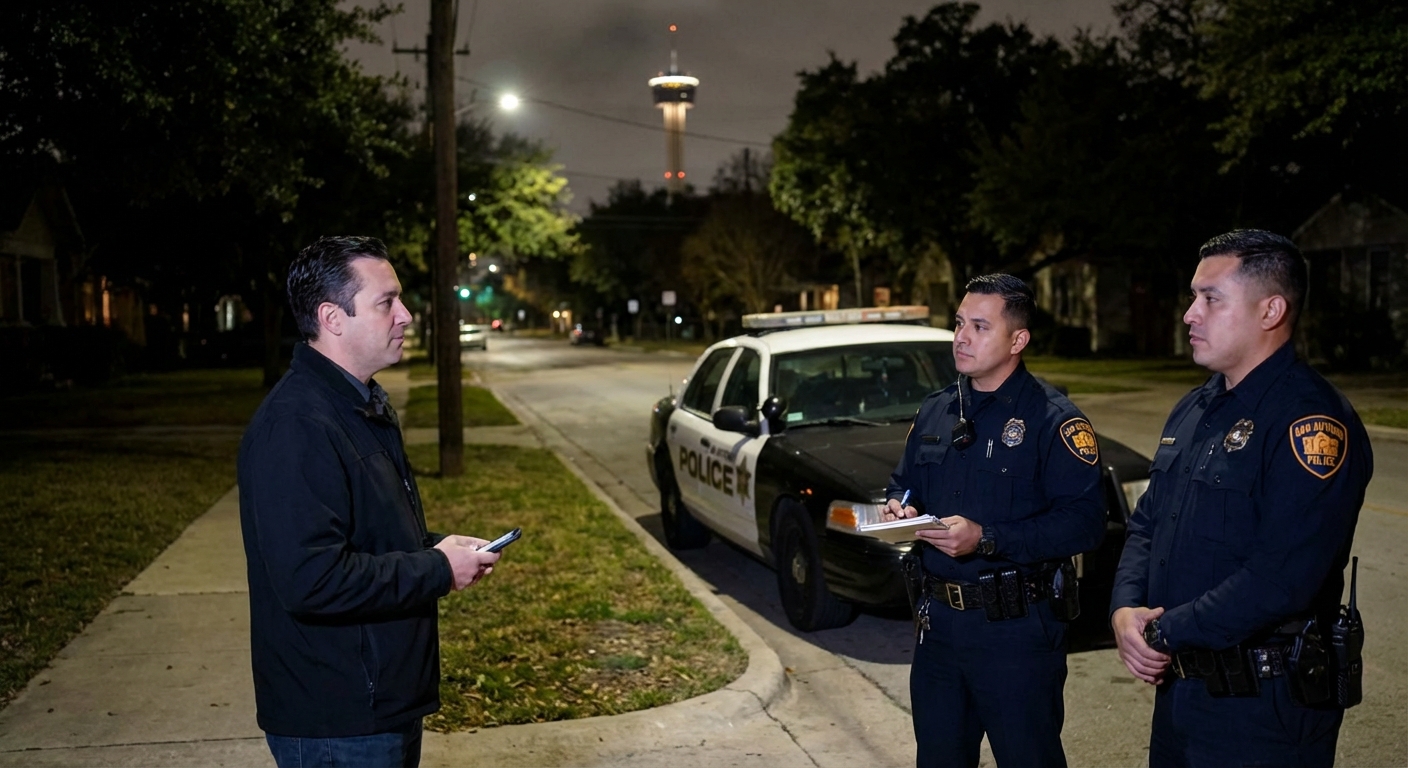
So here's what matters. If detectives reach out, that's not casual. They're building something. And whether you're a witness, a person of interest, or a suspect, your response needs to be deliberate. Don't wing it. Don't assume honesty alone will protect you. And don't say a word until you understand what's actually at stake.
Don't Panic, But Don't Relax Either
Your first instinct might be to explain yourself. To prove you've done nothing wrong. That's exactly what investigators count on. Panic makes people talk. And talking without strategy is how innocent people end up in trouble.
Stay composed. Be polite. But don't mistake courtesy for cooperation. You can be respectful without volunteering information. You can acknowledge their presence without answering their questions. The goal isn't to win them over — it's to protect yourself while you figure out what's happening.
You Have Rights That Actually Matter
The Fifth Amendment isn't just for courtroom dramas. It's your shield. You don't have to answer questions beyond identifying yourself. You don't owe them an explanation. And you definitely don't need to prove your innocence on the spot.
Anything you say can — and will — be used against you. That's not a threat. It's procedure. So exercise your right to stay silent. It's not suspicious. It's smart. And it's exactly what we'd do if the roles were reversed.
Searches Require More Than a Badge
If officers ask to search your home, vehicle, or phone, you can say no. Unless they have a warrant signed by a judge, you're under no obligation to consent. Politely decline. Don't argue. Don't explain. Just state clearly that you don't consent to any search.
If they do have a warrant, ask to see it. Check that it's valid, signed, and specific about what they're allowed to search. Don't interfere with the process, but don't help either. And absolutely don't offer up anything beyond what the warrant covers. That's how small investigations turn into bigger ones.
Silence Isn't Guilt
We've seen it happen over and over. Someone thinks staying quiet makes them look guilty, so they start talking. They try to explain. They offer context. And before they know it, they've given investigators exactly what they needed to move forward.
Refusing to speak without an attorney isn't an admission of anything. It's a constitutional right. Use it. Tell the officers you want a lawyer present before answering questions. That's not evasion. That's protection. And it's the only move that keeps your options open.
Get a Lawyer Before You Do Anything Else
The moment police contact you about an investigation, your next call should be to a criminal defense attorney. Not a friend who knows the law. Not a family member who's been through something similar. A licensed attorney who practices in San Antonio and understands Texas criminal procedure.
An attorney can assess what's happening, communicate with law enforcement on your behalf, and make sure your rights stay intact. They'll also prevent you from making statements that could be misinterpreted or used out of context. This isn't about guilt or innocence. It's about making sure you're not steamrolled by a process designed to extract information.
- They'll review the nature of the investigation and what you're being asked
- They'll handle all communication with detectives or prosecutors
- They'll advise you on whether to answer questions or remain silent
- They'll protect you from coercive tactics or procedural violations
- They'll ensure any evidence is obtained legally and used fairly
Don't Try to Outsmart the System
Some people think they can talk their way out of an investigation. They believe cooperation will make it go away faster. But investigators aren't looking for your side of the story — they're looking for evidence. And every word you say gives them more to work with.
You're not equipped to handle this alone. Even if you're innocent. Even if you think you know what they're after. The legal system is complex, and one misstep can have consequences when facing criminal charges that follow you for years. Let your attorney handle the strategy. That's what they're trained for.
Write Down Everything
Keep a record of every interaction with law enforcement. Note the date, time, location, and names of the officers involved. Write down what was said, what was asked, and how you responded. If they handed you a card or a subpoena, keep it.
This documentation can be critical later. Memories fade. Details get fuzzy. But a written record gives your attorney something concrete to work with. It also protects you if there's ever a dispute about what happened during the encounter.
- Officer names and badge numbers
- Date and time of contact
- Location where the interaction occurred
- Questions asked and your responses
- Any documents or cards provided
San Antonio Has Its Own Procedures
Every jurisdiction handles investigations a little differently. In San Antonio, the police department follows specific protocols, and local prosecutors have their own approach to charging decisions. What works in another city might not apply here.
That's why working with a local attorney matters. They know the courts. They know the prosecutors. And they know how investigations typically unfold in Bexar County. That familiarity can make a real difference in how your case is handled.
- Local courts have their own procedural quirks
- Prosecutors in Bexar County may handle cases differently than other counties
- San Antonio PD follows specific investigation protocols
- Judges in the area have varying approaches to evidence and motions
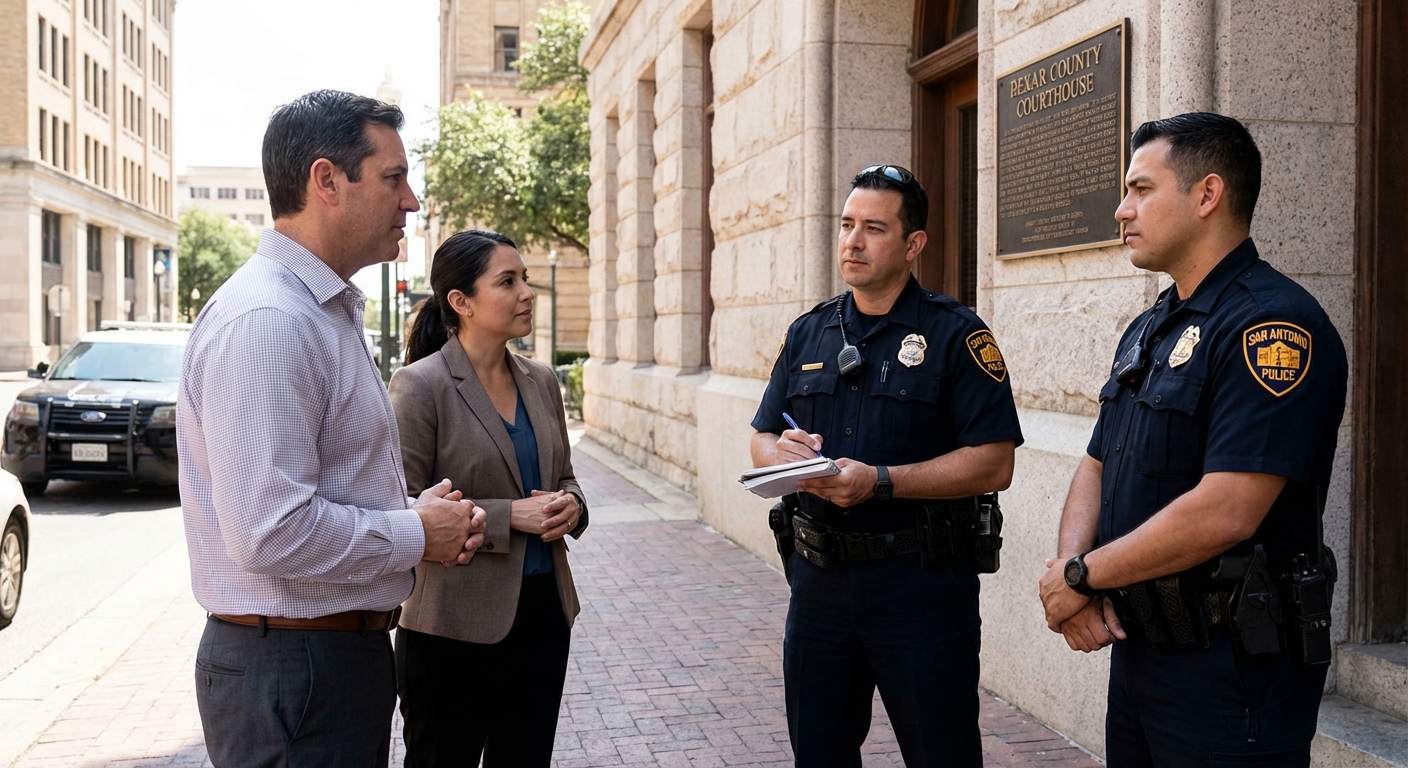
What Not to Do
Don't lie. Don't make up alibis. Don't try to cover for someone else. And don't assume the truth will automatically set you free. Honesty matters, but timing and context matter more. Let your attorney decide when and how to present your side.
Also, don't ignore the contact. Avoiding police won't make the investigation disappear. It just makes you look evasive. Respond through your attorney. Stay engaged. But stay protected.
- Don't lie or fabricate details
- Don't try to explain yourself without legal counsel
- Don't ignore calls or letters from investigators
- Don't consent to searches or interviews without your lawyer present
- Don't assume cooperation will make the problem go away
When the Stakes Are Real
If detectives are calling, this isn't a formality. They're building a case. And whether you're the target or just a piece of the puzzle, your response will shape what comes next. Don't gamble with your future by trying to handle it yourself.
Get legal help. Stay quiet. Document everything. And let a professional guide you through a process that's designed to work against you if you don't know the rules. Understanding fundamental rights of the accused is critical. This isn't about being difficult. It's about being smart.
- Investigations don't go away on their own
- Your words can be used even if you're not charged
- Legal representation is your best defense from the start
- Waiting too long to get help can limit your options
Protect Yourself From the Start
Police contact isn't something to brush off or handle casually. It's a legal event with real consequences. And the decisions you make in those first hours can determine whether you walk away clean or spend months fighting charges that could have been avoided.
We've seen too many people talk themselves into trouble because they thought they could manage it alone. If you've been accused of a crime in Texas, understanding what types of evidence can be challenged and knowing the role of a jury can make all the difference. Don't be one of them. Get a lawyer. Stay silent. And make sure your rights are protected every step of the way.
Let’s Take the Next Step Together
When police reach out, you don’t have to face it alone. We know how overwhelming and uncertain these moments can feel, but you have options—and you have us in your corner. Let’s talk about your situation and make sure you’re protected from the very start. Call us at 210-545-3850 or schedule a consultation so we can stand with you and help you move forward with confidence.
‹ Back
Recent Posts
-
September 30, 2026
How Can Prior Convictions Affect a New Criminal Charge in San Antonio?
-

September 16, 2026
Can You Be Arrested in San Antonio for a Crime Someone Else Committed?
-

September 2, 2026
Should You Accept a Plea Deal in San Antonio?
-
-
August 5, 2026
Can a DWI in San Antonio Affect Your Professional License?