



Can a DWI in San Antonio Affect Your Professional License?
A DWI arrest doesn't just mess with your driving privileges. It can tank your career. Texas licensing boards don't play games with criminal convictions, and if you think nobody will notice or care, you're setting yourself up for a nasty surprise. Your license isn't safe just because you've been practicing for years or because it's a first offense. The state wants to know — and when they find out, they act.
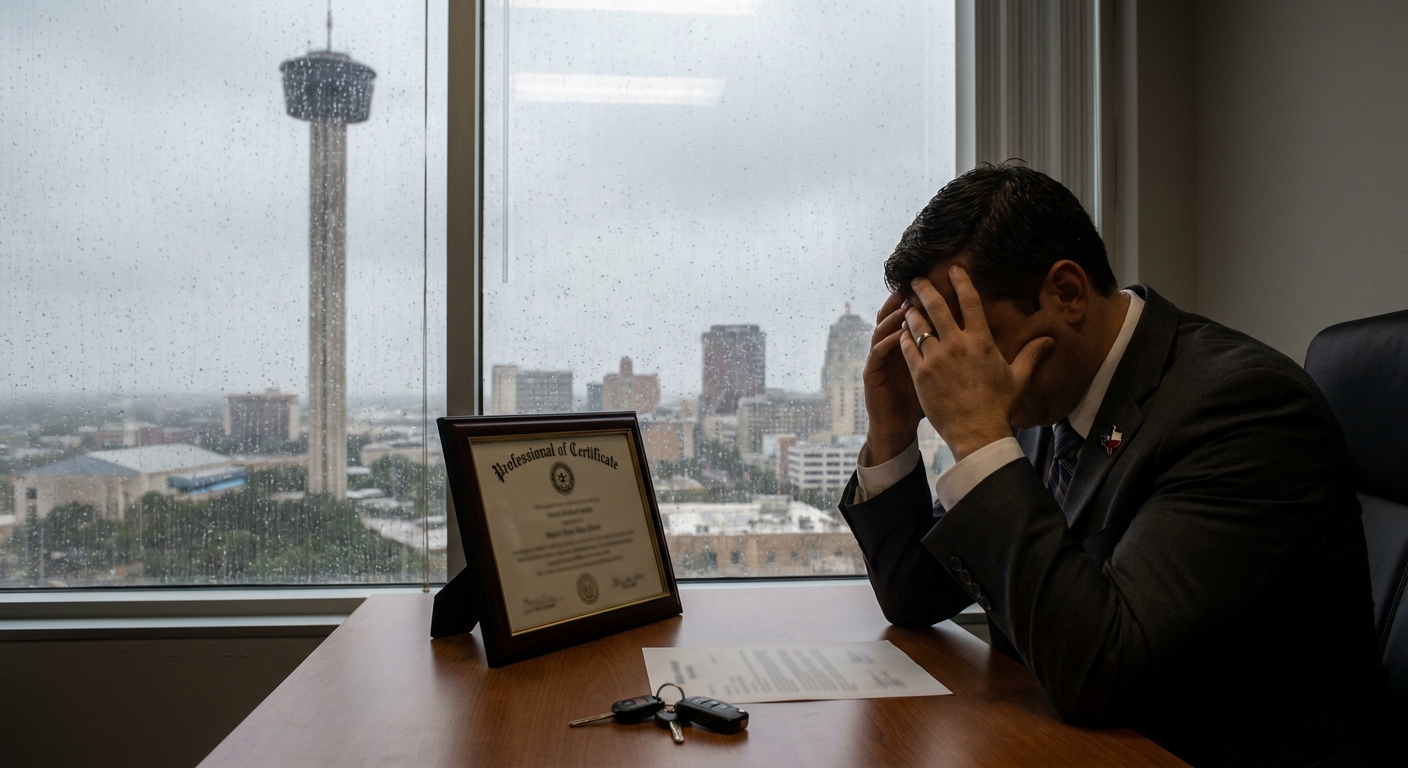
Most professionals assume a DWI is between them and the court. It's not. If your livelihood depends on a state-issued credential, that arrest follows you straight to your licensing board. And whether you report it or they dig it up during renewal, the outcome can range from a slap on the wrist to full revocation. The difference? How you handle it and what the facts actually show.
When Boards Start Asking Questions
Texas doesn't let licensed professionals slide on criminal conduct. Whether you're a nurse, attorney, teacher, or accountant, your board has rules about disclosure. Most require you to report any criminal conviction within a set window — sometimes as short as 30 days. Miss that deadline, and you've handed them a second reason to come after you.
Even if you're not required to self-report, don't assume you're in the clear. Background checks happen at renewal, and DWI convictions show up. Boards also monitor arrest databases and court filings. If they catch you hiding something, the consequences get worse. Transparency doesn't guarantee leniency, but dishonesty guarantees trouble.
Different Careers, Different Consequences
Not every profession faces the same level of scrutiny, but all of them take DWI seriously. Here's how it breaks down across some of the most common licensed fields:
- Medical professionals: Doctors, nurses, and pharmacists answer to boards that view substance-related offenses as red flags. A DWI can trigger investigations, mandatory evaluations, and restrictions on practice. Repeat offenses or aggravating factors can end your career.
- Educators: The Texas Education Agency doesn't tolerate criminal behavior that could reflect poorly on schools or endanger students. A DWI conviction can lead to suspension or revocation of teaching credentials, especially if minors were involved or the offense occurred near school grounds.
- Lawyers: The State Bar treats DWI convictions as ethical violations. Disciplinary action can include public reprimands, probation, suspension, or disbarment — depending on how serious the offense was and whether you've been in trouble before.
- Commercial drivers: If you hold a CDL, a DWI is a career killer. Federal and state regulations impose automatic disqualifications, and employers won't touch you once you lose that credential.
- Other licensed professionals: Real estate agents, engineers, and CPAs all face board review after a DWI. Each board has its own procedures, but none of them treat it lightly.
What the Board Actually Looks At
A DWI doesn't automatically mean you lose your license. Boards weigh multiple factors before deciding what happens next. Some professionals walk away with probation and mandatory counseling. Others lose everything. The outcome depends on what the record shows and how you respond.
Here's what matters most when boards make their call:
- Whether this is your first offense or part of a pattern
- If anyone got hurt or property was damaged
- Whether the DWI happened while you were working or representing your profession
- Your history with the board — prior complaints or sanctions count against you
- What you've done since the arrest — completed rehab, stayed sober, taken responsibility
Probation Beats Revocation Every Time
Licensing boards don't always go for the nuclear option. In many cases, they'll impose probation, require substance abuse treatment, or mandate monitoring instead of yanking your credential. But that only happens if you give them a reason to believe you're addressing the problem.
Completing a court-ordered alcohol education program is a start. Enrolling in counseling or rehab — even if it's not required — shows you're serious. Character references from colleagues and supervisors help. So does a clean record since the arrest. Boards want to see accountability, not excuses.
How to Keep Your License from Becoming Collateral Damage
If you've been charged with a DWI and you hold a professional license, waiting to see what happens is a terrible strategy. The sooner you act, the more control you have over the outcome.
- Hire a DWI attorney who understands both criminal defense and administrative law
- Report the conviction to your board if required — missing that deadline makes everything worse
- Collect proof of your professionalism and good standing in your field
- Get into a rehabilitation or education program immediately, even if it's voluntary
- Draft a statement that explains what happened and what you're doing to fix it
Don't Wait for the Board to Find Out on Their Own
Licensing boards don't give second chances to people who try to hide things. If you're required to report and you don't, they'll view that as dishonesty — and dishonesty gets punished harder than the DWI itself. Even if reporting isn't mandatory, being upfront can work in your favor during disciplinary hearings.
Get ahead of it. Provide documentation. Show that you've taken steps to prevent it from happening again. Boards are more lenient with people who own their mistakes and demonstrate real change.
The Long Game Matters More Than the Short One
A DWI conviction in San Antonio can wreck your professional life if you treat it like a minor inconvenience. Licensing boards have the authority to suspend or revoke your credential, and they will if the facts justify it. But they also have discretion — and how you respond to the charge plays a massive role in what they decide.
Act fast, be honest, and get the right legal help. Your career depends on it.
Protect Your Career—Take Action Now
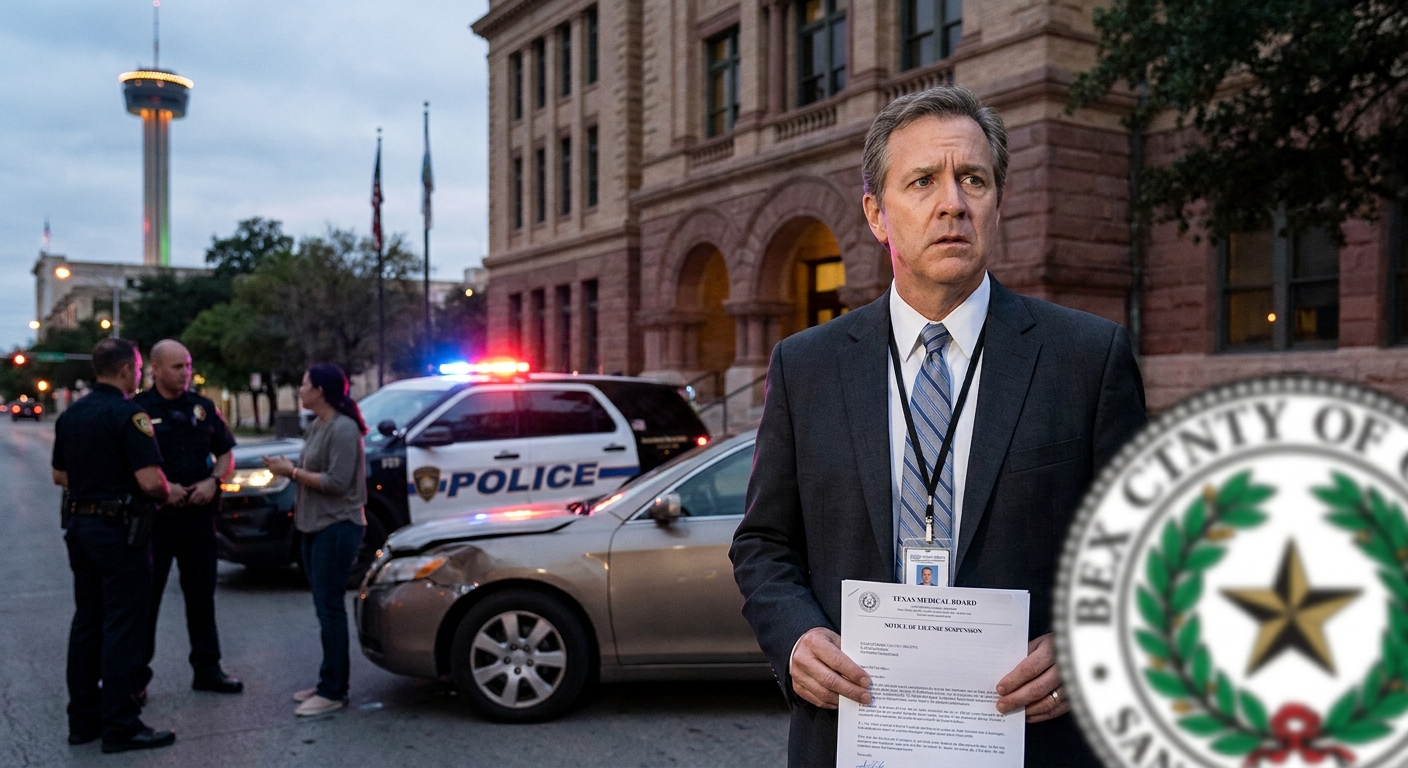
We know how much you've invested in your profession, and a DWI shouldn't define your future. If you're facing charges and worried about your license, let's work together to protect what you've built. Call us at 210-545-3850 or schedule a consultation so we can help you move forward with confidence.
‹ Back
Recent Posts
-
September 16, 2026
Can You Be Arrested in San Antonio for a Crime Someone Else Committed?
-
September 2, 2026
Should You Accept a Plea Deal in San Antonio?
-
-
August 5, 2026
Can a DWI in San Antonio Affect Your Professional License?
-