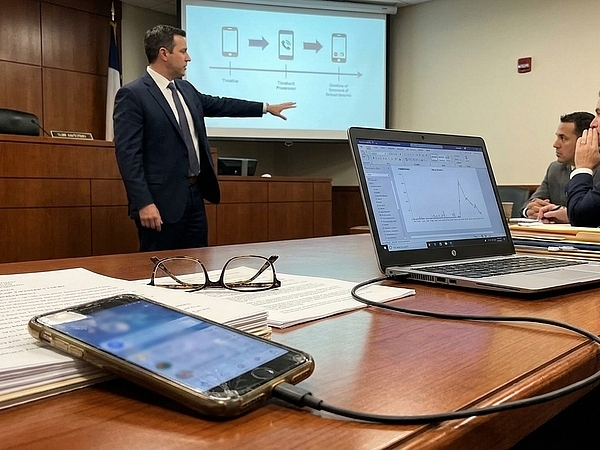




Should You Accept a Plea Deal in San Antonio?
Most defendants treat plea deals like a shortcut. Sign here, skip the trial, move on. But prosecutors don't offer deals out of kindness — they do it because they see an angle. Maybe the evidence is shakier than they'd like. Maybe the docket's crowded. Or maybe they just want a conviction without the hassle of proving their case in front of a jury.

So here's the reality. If you're staring down criminal defense charges in San Antonio, that plea offer might sound like relief. But it's also a trade. You're giving up your right to fight, to cross-examine witnesses, to make the state prove every element. And once you sign, there's no undoing it. Every decision should come down to what the evidence actually shows — not just what the prosecutor says it shows.
When a Plea Deal Looks Better Than Trial
Plea bargains dominate the system. Most cases never see a courtroom because the deal gets done first. The prosecution drops a charge or two, you plead guilty to something smaller, and everyone walks away faster. That's how the machine runs.
But speed doesn't mean fairness. A deal only makes sense if the alternative — going to trial — carries real risk. If the state has video, witnesses, and a clean chain of custody, your odds may not be great. That's when negotiating a lighter sentence or reduced charges can actually save you years. Just don't mistake convenience for strategy.
The Conviction Stays on Your Record
You can't plead guilty to a lesser charge and expect it to disappear. Even a Class B misdemeanor shows up when employers run background checks. Landlords see it. Licensing boards notice. And depending on what you plead to, you might lose rights you didn't know were on the table.
Here's where that hits hardest:
- Employment screening can flag any conviction, even if the original charge was worse
- Professional licenses may be suspended or denied based on guilty pleas
- Immigration consequences can trigger deportation or bar reentry, even for minor offenses
- Firearm rights get stripped with certain convictions, sometimes permanently
- Housing applications often reject applicants with criminal history, regardless of severity
You're Waiving More Than You Think
Accepting a deal means you give up your trial rights. No jury. No chance to challenge the search. No opportunity to put the state's witnesses under oath and watch them crack. You're trading all of that for whatever's written in the plea paperwork.
The prosecution won't tell you if their case has holes. They won't admit if the evidence was obtained illegally or if their star witness has credibility problems. That's your lawyer's job to find out — and that only happens if you push back.
What Prosecutors Won't Say Out Loud
Plea offers aren't always based on the strength of the case. Sometimes they're based on calendar pressure, budget limits, or a witness who's about to move out of state. If the DA's office knows their case is weak, they'll still try to lock in a conviction through a deal.
Here's what to dig into before you accept:
- Was the traffic stop or search actually legal, or did officers overreach
- Are the witnesses credible, or do they have motives to lie
- Is the evidence chain clean, or were there gaps in how it was handled
- Did police follow protocol, or were there procedural mistakes that could sink the case
- Does the DA have enough to prove every element beyond a reasonable doubt
When Fighting Makes Sense
Some cases should never be pled out. If you're innocent, if the evidence is thin, or if the charges are based on a misunderstanding or bad police work, taking it to trial might be your best shot. Juries in San Antonio have acquitted defendants who looked guilty on paper but weren't when the facts came out.
You'll need more than hope to win at trial. You'll need a defense attorney who knows how to challenge evidence, cross-examine effectively, and present your side clearly. If your lawyer isn't ready to go to trial, they probably shouldn't be negotiating your plea either.
The Pressure to Settle Is Real
Prosecutors use time and uncertainty as leverage. They'll tell you the offer expires. They'll hint that the judge will be harsher after trial. They'll make it sound like rejecting the deal is reckless. But urgency is a tactic, not a fact.
Most defendants fold because they're scared, not because the deal is good. And once you plead guilty, the conviction is final. You can't appeal a guilty plea unless there was a legal error in how it was taken — and those cases are rare.
What Your Attorney Should Be Doing
A good defense lawyer doesn't just relay plea offers. They investigate. They file motions. They look for weaknesses in the state's case and build leverage. Then they use that leverage to negotiate — or to win at trial.
Here's what strong representation looks like:
- Reviewing arrest reports and body cam footage for constitutional violations
- Interviewing witnesses and checking their credibility before the state does
- Filing motions to suppress evidence that was obtained illegally
- Challenging lab results, especially in drug crimes or DWI cases
- Preparing for trial even while negotiating, so the DA knows you're serious
When to Walk Away from a Deal
Not every offer is worth taking. If the plea still results in jail time, a permanent record, or collateral damage that wrecks your career or immigration status, it might not be a deal at all. Sometimes the better move is to make the state prove its case.
That's especially true when the evidence is circumstantial, when witnesses are unreliable, or when the charges are overblown. Prosecutors count on defendants being too afraid to fight. Don't let fear make the decision for you.
Timing Matters More Than You'd Think
Plea offers can change. Early in a case, the prosecution might offer something generous just to clear the docket. Later, after they've invested time and resources, they might pull the offer or make it worse. But the reverse can also happen — if your attorney starts poking holes in the case, the offer might improve.
Don't rush. Take the time to understand what you're facing, what the state can actually prove, and what your options are. A decision this big shouldn't be made under pressure or without all the facts.
Know What You're Trading
Plea deals aren't free passes. You're trading your right to fight for a faster resolution and hopefully a lighter outcome. But that trade only makes sense if the deal is actually better than what you'd get at trial — or if the risk of trial is too high to justify.
Here's what you're giving up:
- Your right to make the state prove every charge beyond a reasonable doubt
- Your ability to challenge witnesses, evidence, and police conduct in open court
- The chance of an acquittal or a hung jury that forces a dismissal
- The opportunity to appeal based on trial errors or new evidence
Don't Guess on Something This Serious
Plea deals are binding. Once the judge accepts your guilty plea, it's over. You can't take it back because you changed your mind or because you didn't understand the consequences. That's why you need a lawyer who knows San Antonio courts, understands how local prosecutors operate, and has a track record of getting results.
A strong attorney will tell you when a deal makes sense and when it doesn't. They'll explain what you're risking, what you're gaining, and whether the offer is fair based on the facts of your case. If your lawyer is pushing you to plead without explaining why, that's a red flag.
Your Future Depends on the Choice You Make Now
Prosecutors bank on defendants folding fast. They know most people don't want to fight, don't want to spend money on a trial, and don't want to risk a harsher sentence. But folding isn't always the smart move. Sometimes the better strategy is to call their bluff, challenge the evidence, and make them prove it. That only works if you've got a defense team that's ready to go the distance — and won't back down just because the other side says the deal is final.
Let's Make the Right Move Together
Deciding whether to accept a plea deal is one of the most important choices you'll ever face, and you shouldn't have to make it alone. We're here to help you weigh every option, protect your rights, and fight for the best possible outcome. If you're ready to talk through your case and get real answers, call us at 210-545-3850 or schedule a consultation today. Let's take the next step forward together.
‹ Back
Recent Posts
-
October 14, 2026
Can a Criminal Charge in San Antonio Affect Your Immigration Status?
-
September 30, 2026
How Can Prior Convictions Affect a New Criminal Charge in San Antonio?
-
September 16, 2026
Can You Be Arrested in San Antonio for a Crime Someone Else Committed?
-
September 2, 2026
Should You Accept a Plea Deal in San Antonio?
-