




How Can Prior Convictions Affect a New Criminal Charge in San Antonio?
Most defendants think their old cases are in the rearview mirror. Done, served, sealed. But prosecutors in San Antonio see more than that—and if you don't, you're walking into trouble. Prior convictions don't just sit on a shelf. They resurface, they amplify, and they shape the trajectory of every new criminal charge that lands on your record.

Here's the reality. If you're facing fresh charges after prior convictions, the legal system treats you differently. Bail amounts shift. Plea offers narrow. Sentencing floors climb. And every move you make—or your attorney makes—needs to account for what's already on your record, not just what's happening now.
Your Record Doesn't Disappear Once You Serve Time
Texas courts don't grant amnesia. When a new arrest happens, judges and prosecutors pull your criminal history immediately. That record influences decisions from the arraignment through sentencing. It's not background noise—it's evidence of pattern, risk, and likelihood of recidivism. Whether you're facing a misdemeanor or a felony, that file follows you into every hearing.
Prosecutors use your history to evaluate credibility, predict behavior, and justify harsher positions. Defense attorneys know this and prepare accordingly. But without skilled counsel, defendants often underestimate how much weight prior convictions carry in shaping the current case.
Charges Escalate When You've Been Convicted Before
Texas law builds in penalty enhancements for repeat offenders. If you've been convicted of certain crimes—DWI, theft, assault, drug possession—a new charge in the same category can jump classification and bring stiffer consequences. A second DWI isn't just another Class B misdemeanor. It becomes a Class A. A third becomes a felony. The same pattern applies across multiple offense types.
Enhancement statutes exist to punish recidivism. Prosecutors don't need to prove intent to escalate—they just need to prove the prior conviction exists and meets the statutory criteria. Once that's established, the new charge automatically carries increased penalties, longer jail time, and higher fines.
Bail Amounts Reflect Your Criminal History
When you're arrested, the court sets bail based on flight risk and danger to the community. Prior convictions increase both. Judges interpret past offenses as indicators of future behavior. If you've violated probation, skipped court, or reoffended after release, expect bail to climb—or be denied altogether.
Conditions of release also tighten. Electronic monitoring, regular check-ins, travel restrictions, and no-contact orders become standard. These aren't negotiable when your record shows repeated violations. The court's default assumption is that you're a higher risk, and the conditions reflect that calculus.
Plea Deals Get Harder to Negotiate
Prosecutors have discretion in plea offers. Prior convictions erode that flexibility. If your record shows a pattern, the state is less inclined to offer leniency. They'll push for guilty pleas on original charges, reject diversion programs, and insist on jail time over probation.
Defense leverage weakens when the defendant has priors. The prosecution knows juries and judges will see the record, and they use that knowledge to demand stricter terms. Clean records open doors. Dirty records close them. It's not fair, but it's how the system functions in San Antonio courtrooms.
Sentencing Guidelines Factor in Your Past
If your case goes to trial and you're convicted, sentencing isn't a blank slate. Texas judges are required to review criminal history before imposing punishment. Habitual offender laws create mandatory minimums for defendants with multiple convictions. Even minor new offenses can trigger serious prison time when stacked on top of prior cases.
Judges have some discretion, but statutory floors limit how lenient they can be. Prior convictions remove options. Probation becomes unavailable. Deferred adjudication gets ruled out. Sentencing becomes a calculation of minimums, not possibilities.
Collateral Damage Extends Beyond the Courtroom
Convictions don't just affect your legal status. They ripple into employment, housing, professional licensing, and civil rights. A new conviction on top of prior offenses compounds those consequences. Employers see patterns. Landlords reject applications. Licensing boards revoke credentials. The legal penalties are only part of the damage.
In San Antonio, where industries like construction, hospitality, and healthcare dominate, criminal records create barriers that are hard to overcome. Each new conviction makes reentry tougher. The stakes aren't just about jail time—they're about rebuilding your life afterward.
What You Need to Prove to Reduce the Impact
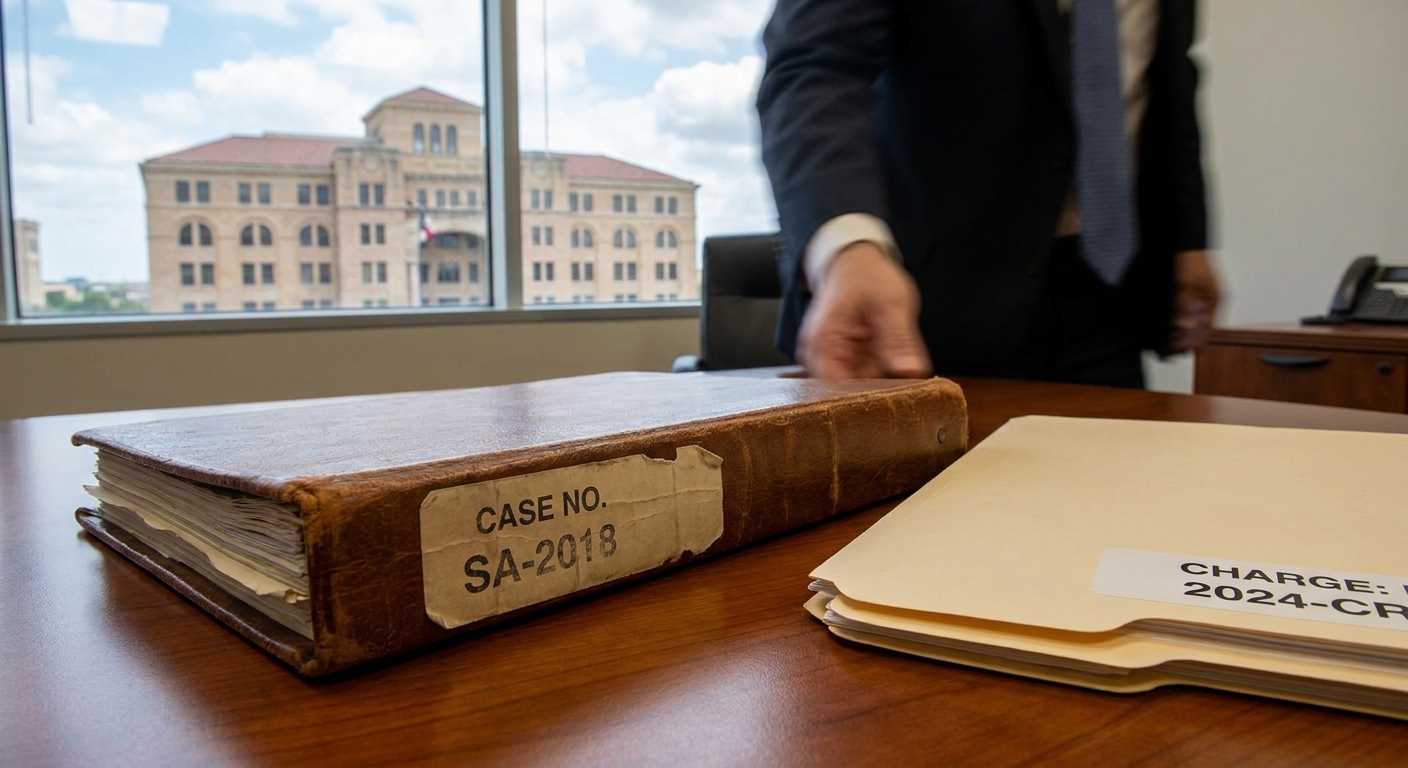
Minimizing the effect of prior convictions requires strategy and documentation. Defense attorneys work to distinguish current charges from past offenses, challenge the validity of old convictions, and present mitigating evidence. This might include proof of rehabilitation, character references, employment history, or enrollment in treatment programs.
Here's what makes a difference:
- Evidence that prior convictions were expunged or set aside
- Proof of successful probation completion
- Documentation of sustained employment or community involvement
- Treatment records showing participation in counseling or recovery programs
- Witness testimony supporting rehabilitation claims
When Enhancement Statutes Apply
Texas has specific rules about when prior convictions can enhance new charges. The timing, classification, and nature of the prior offense all matter. Not every old conviction triggers enhancement. Defense attorneys scrutinize the record to ensure prosecutors are applying the law correctly.
Key factors include:
- Whether the prior conviction occurred within a specific timeframe
- Whether the prior offense matches the current charge category
- Whether the prior case was a felony or misdemeanor
- Whether the conviction was final or overturned on appeal
- Whether the prior conviction meets statutory requirements for enhancement
Where Most Defendants Make Mistakes
Assuming prior convictions won't matter is the fastest way to lose ground. Defendants who fail to disclose their history to their attorney, who ignore the impact on bail or plea negotiations, or who think old cases are irrelevant often end up with worse outcomes. Transparency with your lawyer is critical. So is preparation.
Here's what derails cases:
- Failing to inform your attorney about prior convictions
- Ignoring probation conditions from previous cases
- Assuming expunged records won't be discovered
- Accepting plea deals without understanding enhancement risks
- Skipping court appearances or violating release conditions
Why You Need an Attorney Who Knows the System
Navigating new charges with prior convictions isn't a DIY project. The law is specific, the penalties are steep, and the margin for error is thin. A criminal defense attorney in San Antonio who understands enhancement statutes, sentencing guidelines, and prosecutorial strategy can make the difference between probation and prison.
Here's what skilled counsel provides:
- Review of your criminal history to identify errors or invalidated convictions
- Challenges to improper use of prior offenses in enhancement claims
- Negotiation strategies that account for your record while highlighting mitigating factors
- Representation at bail hearings to reduce conditions or lower amounts
- Preparation of evidence and witnesses to support rehabilitation arguments
When to Act and What to Expect
If you're facing new charges and have prior convictions, waiting to get legal help only shrinks your options. Prosecutors move quickly. Judges rely on records. The system doesn't pause for you to figure things out. Early intervention gives your attorney time to review your history, challenge inaccuracies, and build a defense that accounts for your past without letting it dictate your future.
What happens next depends on preparation:
- Your attorney files motions to exclude improperly used prior convictions
- Bail hearings are scheduled to argue for reasonable conditions
- Plea negotiations begin with full awareness of enhancement risks
- Trial preparation includes strategies to limit jury exposure to your record
- Sentencing arguments emphasize rehabilitation and mitigating circumstances
Your Next Move Matters More Than Your Last One
Prior convictions create obstacles, but they don't eliminate options. How you respond to new charges—who you hire, what evidence you present, how you prepare—determines whether your record defines you or whether you define the outcome. The system in San Antonio is unforgiving toward repeat offenders, but it's not closed to defendants who fight smart and bring the right counsel into the room. Don't let old mistakes compound into new disasters. Get ahead of the charges, understand the stakes, and make your defense count.
Let’s Take Control of Your Defense Together
Facing new charges with prior convictions can feel overwhelming, but we don’t have to let your past dictate your future. Together, we can build a strategy that puts you in the strongest position possible. If you’re ready to talk through your options and get a clear plan, call us at 210-545-3850 or schedule a consultation today. Let’s move forward with confidence.
‹ Back
Recent Posts
-

September 30, 2026
How Can Prior Convictions Affect a New Criminal Charge in San Antonio?
-

September 16, 2026
Can You Be Arrested in San Antonio for a Crime Someone Else Committed?
-

September 2, 2026
Should You Accept a Plea Deal in San Antonio?
-

-
August 5, 2026
Can a DWI in San Antonio Affect Your Professional License?