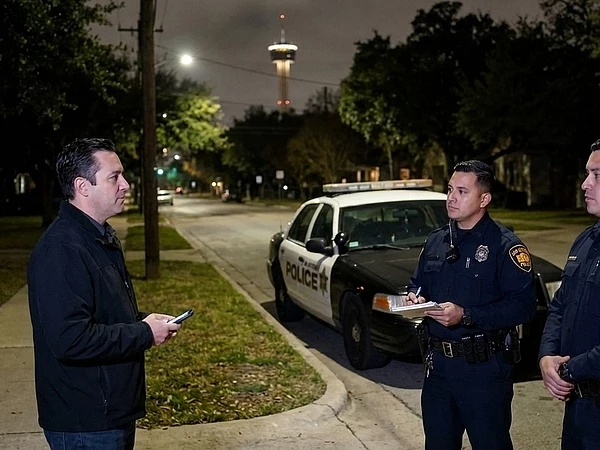




Can You Be Arrested in San Antonio for a Crime Someone Else Committed?
Most people believe arrests follow guilt. That the system only reaches for those who actually broke the law. But San Antonio law enforcement doesn't operate on certainty — they operate on probable cause. And that gap between suspicion and truth is where innocent people get handcuffs slapped on their wrists. You don't have to commit a crime to end up in custody. You just have to look like someone who did.
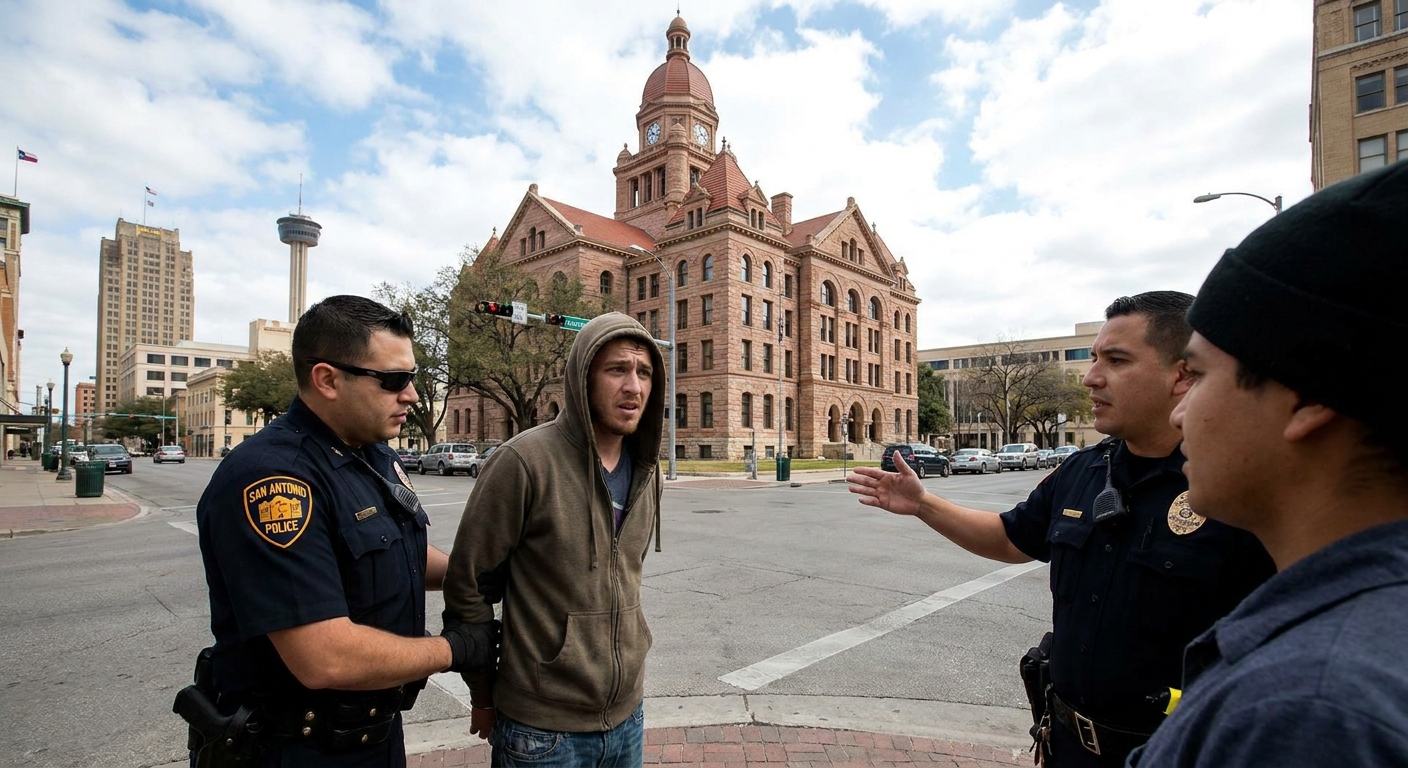
Here's the reality. Probable cause is a low bar. It's not proof. It's not conviction. It's just enough reason for police to believe you might be involved. And once they believe that, you're going in. Whether you're guilty or not becomes someone else's problem to sort out later. Your job is to know what triggers these arrests and how to protect yourself when the system gets it wrong.
Mistaken Identity Is More Common Than You Think
Eyewitnesses get it wrong all the time. They see someone running from a scene, give a description, and police start looking for a match. If you're wearing similar clothes, driving a similar car, or just happen to be in the area, you could be that match. San Antonio PD doesn't wait for DNA confirmation before making an arrest. They act on what they have in the moment.
Surveillance footage doesn't always help either. Grainy video, bad lighting, hooded figures — it's easy for someone to point at you and say "that's him." And once you're named, you're detained. The burden shifts to you to prove you weren't there. Not the other way around.
- Witness descriptions are often vague or contradictory
- Police rely on physical resemblance more than solid evidence
- Surveillance footage can be misinterpreted or inconclusive
- Your location at the time of the crime becomes a critical factor
- Lack of alibi documentation leaves you vulnerable
Wrong Place, Wrong Timing, Real Consequences
You don't have to do anything wrong to become a suspect. Just being near a crime when it happens can put you in the back of a patrol car. Police respond to chaos with containment. That means detaining everyone in the vicinity until they can piece together what actually happened. You might be a witness. You might be innocent. But in the first few minutes, they don't care. They care about control.
This happens most often with group incidents. A fight breaks out. A robbery goes down. Someone pulls a weapon. Police show up and see five people standing around. They don't know who did what. So they arrest everyone and let the courts figure it out. It's faster. It's safer for them. And it's completely legal.
- Proximity to a crime scene triggers immediate suspicion
- Group arrests are common in violent or chaotic incidents
- Police prioritize securing the scene over identifying the guilty party
- Being present doesn't prove guilt, but it invites investigation
- You can be held for hours or days before charges are even filed
Accessory and Conspiracy Charges Reach Further Than You Expect
Texas law doesn't just punish the person who pulled the trigger or grabbed the goods. It punishes anyone who helped make it happen. If police think you drove the getaway car, loaned someone a weapon, or just stood watch while a robbery went down, you're getting charged too. Accessory and conspiracy laws cast a wide net. And they don't require you to be at the scene.
Conspiracy is even trickier. All it takes is an agreement to commit a crime. You don't have to follow through. You don't have to be successful. Just talking about it — and taking one step toward making it happen — can land you in cuffs. That means a text message, a phone call, or even showing up to a meeting can be enough for prosecutors to argue you were part of the plan.
- Accessory charges apply to anyone who assisted before, during, or after a crime
- Conspiracy doesn't require completing the crime — just agreeing to it
- Evidence can include text messages, phone records, or witness testimony
- Being present when a crime is discussed can implicate you
- Knowledge alone isn't enough, but combined with action, it is
Your Rights Don't Disappear When the Cuffs Go On
Getting arrested doesn't mean you've lost. It means the fight just started. The first thing you need to remember is this: you have the right to stay silent. Use it. Police will ask you to explain yourself, tell your side, clear things up. Don't. Every word you say gets recorded, twisted, and used against you later. Even innocent statements can sound bad in a courtroom.
You also have the right to a lawyer. Not later. Not after they ask a few questions. Right now. Don't wait for them to offer. Demand it. And once you do, they're supposed to stop questioning you. If they don't, that's a violation. Your attorney will use that. But only if you speak up. Understanding fundamental rights of the accused can help protect you during the arrest process.
- Invoke your right to remain silent immediately
- Request an attorney before answering any questions
- Do not try to explain your innocence without legal counsel
- Anything you say can be used against you in court
- Cooperation without representation is a risk you can't afford
What Your Attorney Does That You Can't
A good criminal defense lawyer doesn't just show up to court. They start working the moment you call them. They pull police reports, interview witnesses, and challenge the probable cause that led to your arrest. They know how to spot holes in the prosecution's case. They know when evidence was gathered illegally. And they know how to keep bad evidence out of the courtroom.
They also negotiate. Most cases don't go to trial. They get dismissed, reduced, or settled before a jury ever sees them. But that only happens if your lawyer can show the DA that their case is weak. Without representation, you're at the mercy of a system that assumes you're guilty until you prove otherwise.
- Attorneys challenge the legality of your arrest and evidence used
- They gather alibi evidence, witness statements, and documentation
- They negotiate with prosecutors to reduce or dismiss charges
- They protect you from self-incrimination during interrogations
- They ensure your constitutional rights are upheld throughout the process
Being Innocent Isn't Enough to Keep You Out of Jail
We'd all like to believe that the truth always comes out. That justice prevails. That innocent people don't sit in jail. But that's not how it works in San Antonio or anywhere else. Innocent people get arrested every day. Some of them spend weeks behind bars before anyone realizes the mistake. Others take plea deals just to avoid trial, even when they didn't do anything wrong. If you've been accused of a crime in Texas, taking immediate action is critical.
The system isn't built to protect you. It's built to process you. And the only way to stop that process from steamrolling over your life is to know your rights, keep your mouth shut, and get a lawyer who knows how to fight. Because the cops don't care if you're innocent. They care if they can make an arrest stick. And if you let them, they will. When facing criminal charges, avoiding common mistakes can make all the difference in your case outcome.
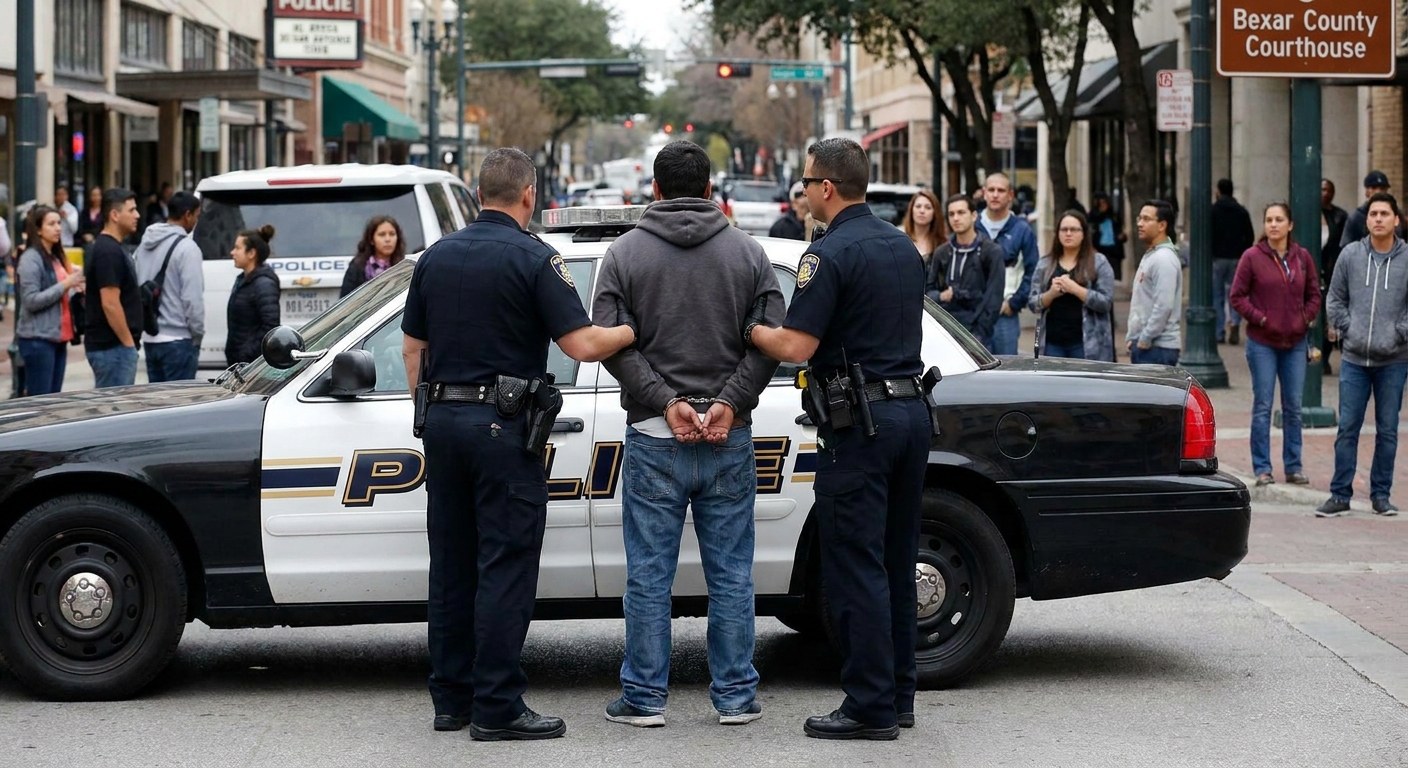
Let’s Protect Your Future Together
No one should have to face the criminal justice system alone—especially when you’re innocent. If you or someone you care about has been arrested for a crime they didn’t commit, let’s take action before things spiral. Call us at 210-545-3850 or schedule a consultation so we can start building your defense and set the record straight.
‹ Back
Recent Posts
-
September 16, 2026
Can You Be Arrested in San Antonio for a Crime Someone Else Committed?
-

September 2, 2026
Should You Accept a Plea Deal in San Antonio?
-

-
August 5, 2026
Can a DWI in San Antonio Affect Your Professional License?
-