




Can Text Messages Be Used Against You in a San Antonio Criminal Case?
Most people assume their text threads are private. Quick notes to a friend. Plans with family. Casual back-and-forth that feels like conversation, not courtroom fodder. But the reality is harsher than that — and if you're facing charges in San Antonio, those messages could be sitting in a prosecutor's file right now. Digital communication leaves a trail, and law enforcement knows exactly where to look.
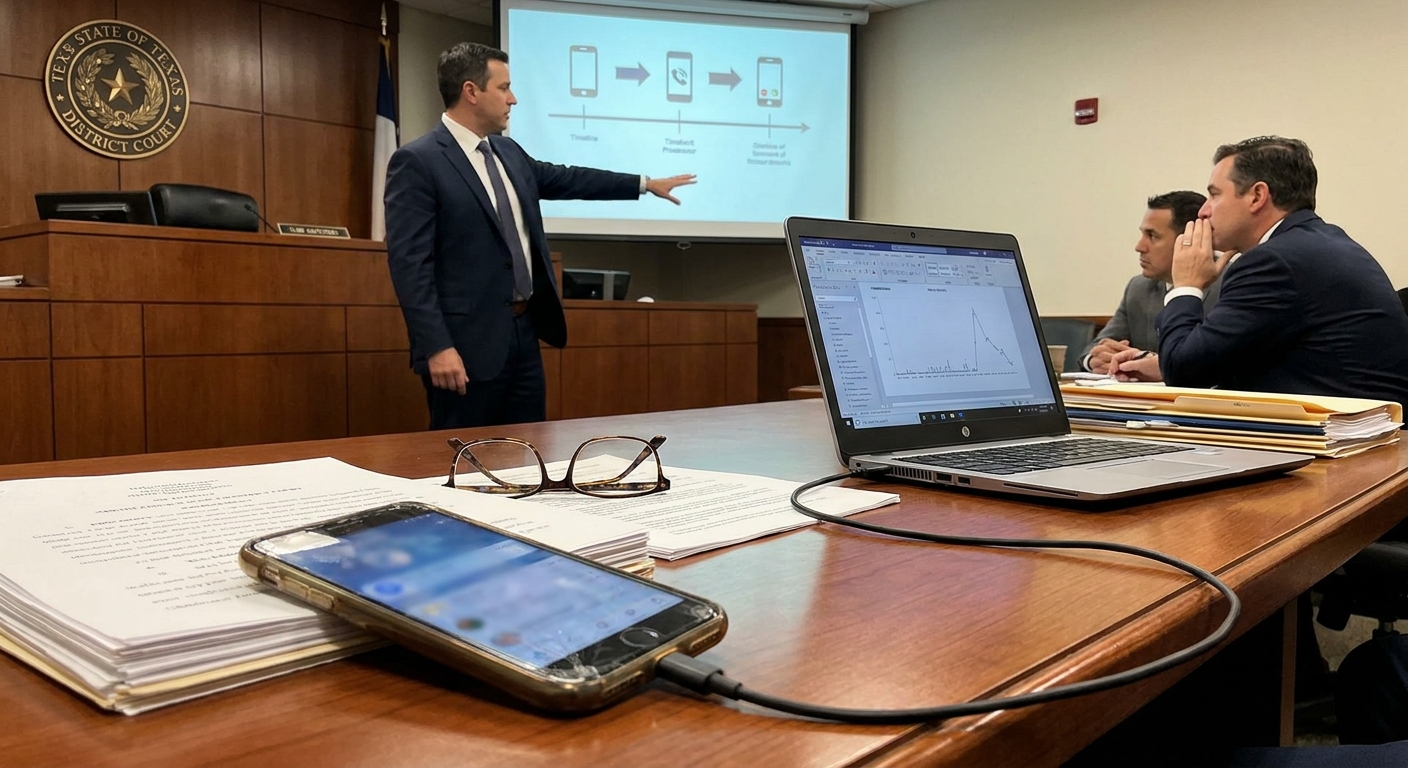
So here's what you need to understand. If you've been arrested or are under investigation, your phone isn't just a device. It's a witness. Every text you sent carries weight — especially if it contradicts your defense or ties you to alleged activity. The courts won't ignore what you typed just because you thought it was casual. Every word matters. Every timestamp counts. And every decision about what to say next should be made with the understanding that it could end up in front of a jury.
When Your Texts Become Courtroom Material
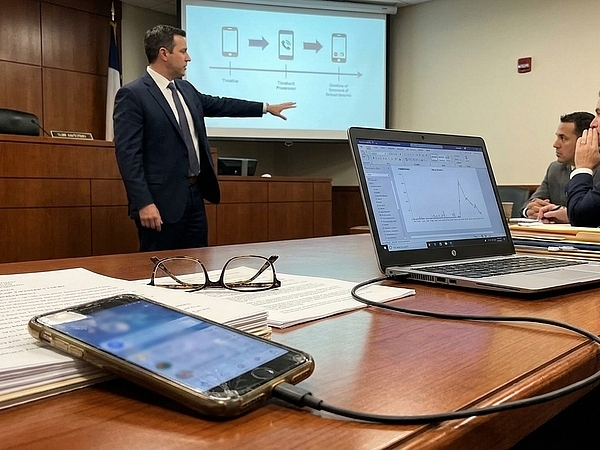
Nine times out of ten, prosecutors will try to introduce text messages if they think it helps their case. And they usually can. Texas law treats electronic messages the same way it treats letters, emails, or recorded calls — they're fair game as long as they meet basic evidentiary standards in Texas criminal cases. The prosecution doesn't need your permission. They just need to prove the messages are real and relevant to the charges you're facing.
But relevance is broad. If your texts mention a location, a person, or a time frame connected to the alleged crime, they're coming in. If they show motive, intent, or coordination with someone else, even better for the state. We see this play out constantly in drug cases, assault cases, theft — you name it. A single message can flip the narrative, and deleted threads don't always stay gone.
How Police Get Their Hands on Your Messages
Law enforcement has more than one way to access your texts. Sometimes they seize your phone during an arrest and pull everything off it with forensic tools. Other times, they go straight to your carrier and request records through a subpoena or warrant. Carriers keep logs — who you texted, when, and sometimes even the content itself, depending on how long it's been stored.
- Phone seizures during arrest or search warrants
- Subpoenas sent to mobile carriers for message records
- Forensic recovery of deleted or archived texts
- Cloud backups linked to your Apple ID or Google account
- Third-party apps that store message history on remote servers
Even if you wiped your phone clean, investigators can pull data from backups or server logs. And if someone you texted with still has the thread, that's another entry point. Once the state has access, they'll comb through every conversation looking for anything that supports their theory of the case.
Proving the Messages Are Real
Before a text message can be used against you, the prosecution has to authenticate it. That means proving it's legitimate — not fabricated, not altered, and actually sent by you. They'll do this through phone records, metadata, or testimony from the person on the other end of the conversation.
If the defense can challenge authenticity, the message may get tossed. But that's a tough fight. Courts generally give prosecutors room to establish authenticity through circumstantial evidence. If the number matches yours, the language sounds like you, and the timing fits the case timeline, that's often enough. And if you admitted to sending it or if a witness confirms they received it from you, the door is wide open.
What Prosecutors Look for in Your Texts
Prosecutors don't just read your messages for fun. They're hunting for specific pieces of evidence that build their case or tear down yours. A single text can establish intent, prove knowledge, or link you to a crime scene. And they'll use context to make even innocent-sounding messages look damaging.
- Coordination with alleged co-defendants or accomplices
- References to times, places, or events tied to the charges
- Admissions or statements that contradict your defense
- Threats, demands, or language suggesting illegal activity
- Evidence of motive, planning, or awareness of wrongdoing
They'll also look for patterns. Frequent contact with a co-defendant right before an arrest? That matters. Sudden shifts in tone or topic around key dates? That gets flagged. Even messages that seem vague or coded can be interpreted against you if the state argues you were trying to hide something.
When the Defense Can Push Back
Just because a text exists doesn't mean it's automatically admissible. Your attorney can challenge whether the messages were obtained legally, whether they're being taken out of context, or whether they're even relevant to the charges. If law enforcement violated your Fourth Amendment rights by searching your phone without a warrant or proper consent, those messages could be suppressed.
- Illegal search or seizure without a valid warrant
- Messages taken out of context or misinterpreted
- Uncertainty about who actually sent the message
- Broken chain of custody or data tampering concerns
- Overly prejudicial content that outweighs probative value
Defense attorneys also look at whether multiple people had access to the device. If your phone wasn't password-protected or if others regularly used it, there's room to argue you didn't send the message in question. And if the prosecution can't prove the texts are authentic or unaltered, the judge may exclude them entirely.
Privacy Rights and What They Actually Cover
You have some protection under the Fourth Amendment, but it's not absolute. Law enforcement generally needs a warrant to access the content of your messages — but there are exceptions. If you gave consent, if evidence was in plain view, or if exigent circumstances existed, they may not need one. And once you've been arrested, your phone can be seized and searched under certain conditions.
Here's the catch. Even if your messages are private, they stop being private the moment someone else reads them. If the person you texted turns over the conversation to police, you lose any expectation of privacy. And if your messages were backed up to a cloud service, law enforcement can request them from the provider. Privacy laws protect you from unreasonable intrusion — they don't make your texts invisible.
Protecting Yourself Before Charges Hit
If you're under investigation or think you might be, stop texting about anything connected to the case. Seriously. Every message you send from this point forward is potential evidence. Don't try to explain yourself. Don't coordinate stories with others. Don't delete anything either — that can look like obstruction and make things worse.
- Stop discussing the case over text immediately
- Don't delete messages or clear your phone history
- Avoid texting co-defendants or potential witnesses
- Don't assume encrypted apps are foolproof
- Consult an attorney before handing over your phone voluntarily
If police ask for your phone, you're not required to unlock it or give consent without a warrant. Be polite, but firm. Let your attorney handle communication with law enforcement. And if your phone has already been seized, tell your lawyer everything — what apps you use, what's backed up, and who else had access. That information shapes how they fight back.
Why You Need Legal Help Immediately
If your texts are part of a criminal case, you're in territory where mistakes cost you years. A defense attorney knows how to challenge evidence, suppress illegally obtained messages, and reframe what the prosecution is trying to use against you. They'll also advise you on what to say — and what not to say — moving forward.
It's not just about defending one text. It's about protecting your entire case from collapsing under digital evidence that prosecutors will use to paint the worst possible picture. If you're facing charges in San Antonio and your phone is involved, don't wait. Don't assume it'll blow over. Get someone in your corner who knows how to dismantle the state's case before it locks you in.
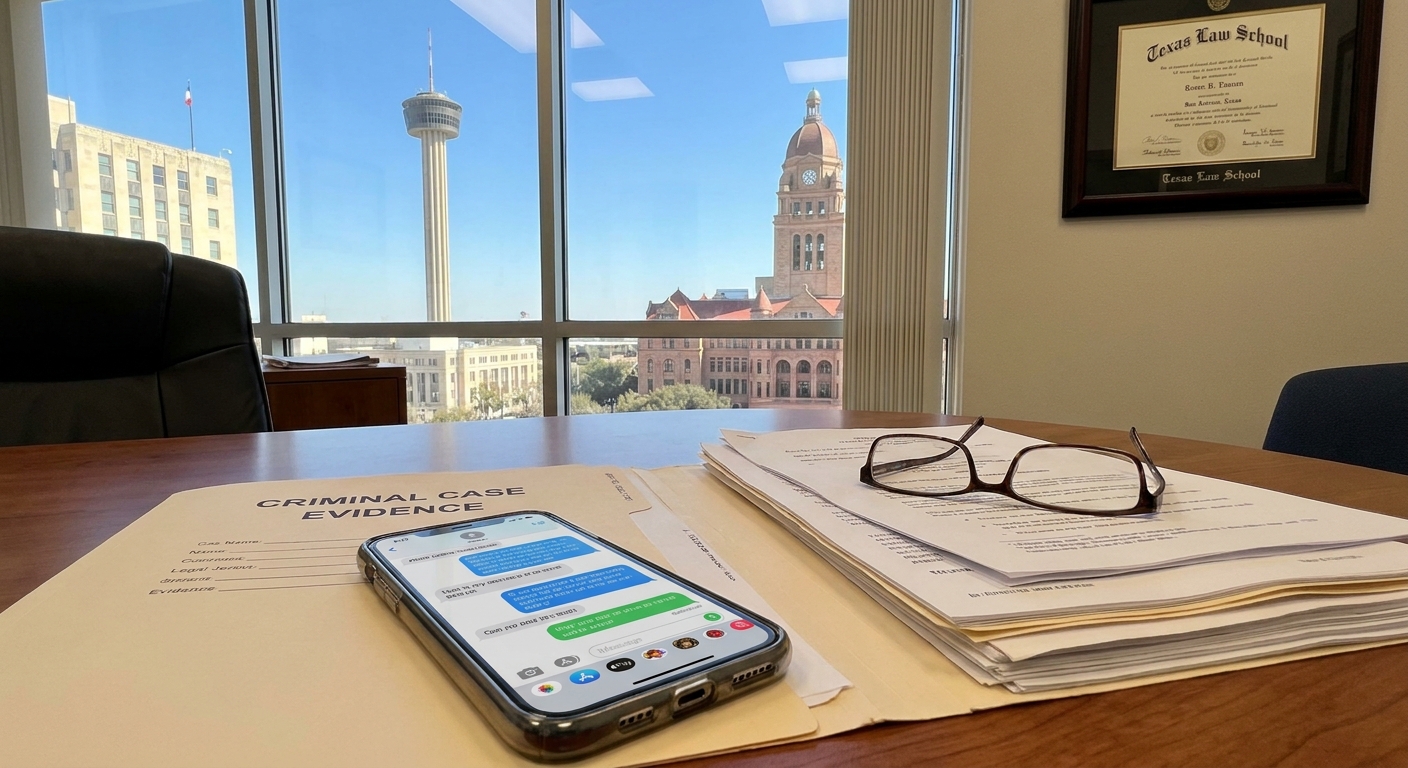
Your Words Carry More Weight Than You Think
Taking control of your defense isn't just about what you say in court. It's about what you said before you ever got there — and whether your attorney can keep those words from sinking your case. There's no room for guessing when the evidence is already sitting in a prosecutor's file. But there's plenty of room to fight back if you move fast and work with someone who knows the rules.
Your messages don't have to be the final word. But they will be unless you act now.
Let’s Take the Next Step Together
We understand how overwhelming it can feel when your private messages become part of a criminal case. You don’t have to navigate this alone. Let’s talk about your situation and build a defense that protects your rights from day one. Call us at 210-545-3850 or schedule a consultation so we can start working for you today.
‹ Back
Recent Posts
-
September 30, 2026
How Can Prior Convictions Affect a New Criminal Charge in San Antonio?
-

September 16, 2026
Can You Be Arrested in San Antonio for a Crime Someone Else Committed?
-
September 2, 2026
Should You Accept a Plea Deal in San Antonio?
-
-
August 5, 2026
Can a DWI in San Antonio Affect Your Professional License?